


If your e-commerce site is not selling, the problem may lie in the visits it receives, the offer, the site itself or the steps leading to payment. Bliss helps companies understand where sales are being lost and acts on what is holding them back. If too few interested people arrive, we work on the acquisition channels. If the visits are there but orders remain few, we analyse how customers choose products and where they stop before buying.
The point is that an e-commerce site almost never fails to sell for a single reason. There are at least seven common causes: understanding which weighs most avoids spending on advertising to bring visitors to a shop that is not ready to sell to them.
In this article we will set out causes and solutions, in order to establish, as methodically and intuitively as possible, what to check if you have opened an e-commerce site that is not selling, why a site with plenty of visits converts poorly, how to bring in qualified traffic and how to grow sales over time.
We will close with a real case from our work, and with the point at which the problem stops being the website.
Why isn’t my e-commerce site selling? The 7 main causes
An e-commerce site fails to sell because one or more steps between discovery and payment break down. That is why we have chosen to order the seven possible causes along the journey: putting ourselves, that is, in the shoes of the user, who first reaches the site, then chooses, then pays.
1. The shop does not get enough visits
Without visitors there are no sales, and a newly launched e-commerce site has none. An online shop does not sit on a busy street: someone has to find it, through a search, an ad, social media or word of mouth. The first check is therefore the number of visits per month and where they come from. If visits are few, the work to be done is on acquisition, not on the site. Redesigning the graphics or product pages at this stage improves a shop that almost nobody sees.

2. The wrong people are arriving
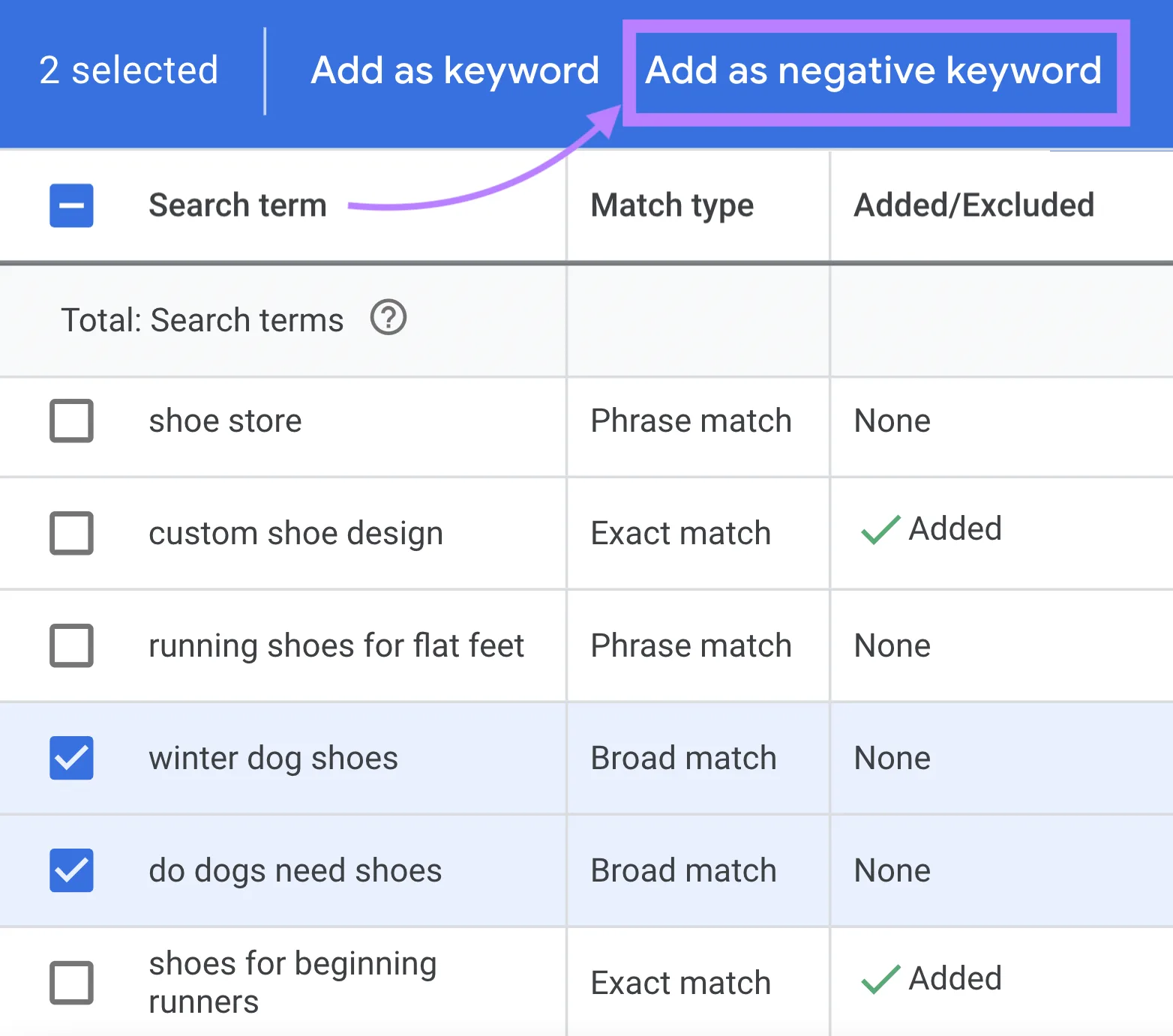
Plenty of visits are not enough if they come from people who would not buy anyway. This happens with campaigns aimed at too broad an audience, with content that attracts the curious rather than customers, or with keywords that have little to do with the product. The signal is high traffic with very few add-to-baskets. In that case, narrow the audience rather than raising the budget, and check which keywords and ads bring the visits that never buy.
3. The offer does not stand out
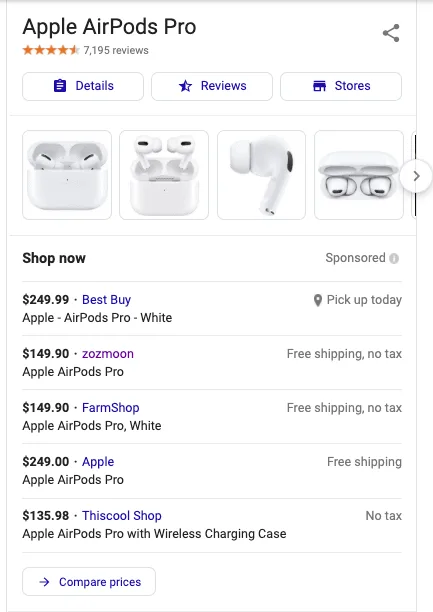
If customers find the same product, or a similar one, elsewhere at the same or a lower price, they have no reason to buy from you. The problem is not the site but the offer: what you sell that others do not, or how you sell it better. A unique selling proposition for e-commerce sets out in a single sentence why to choose this shop and not another. If that sentence cannot be written, no campaign will write it for you.
4. The website does not help people choose
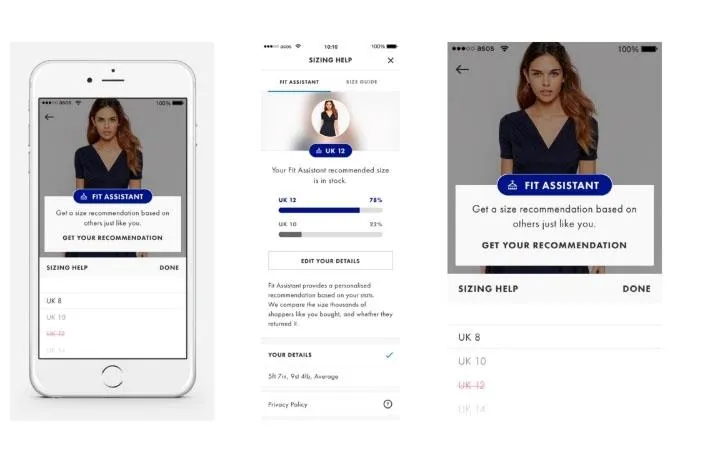
Visitors to an e-commerce site must understand within a few seconds what it sells, find the right product and know what they are buying. Thin product pages, inadequate photographs, confusing categories and internal search that does not work drive away even those who were interested. The simplest check is to have someone unfamiliar with the site use it and observe where they stop. This should be done above all on a smartphone, where a significant share of purchases happens and where an awkward menu matters more.
5. Costs and steps drive cart abandonment
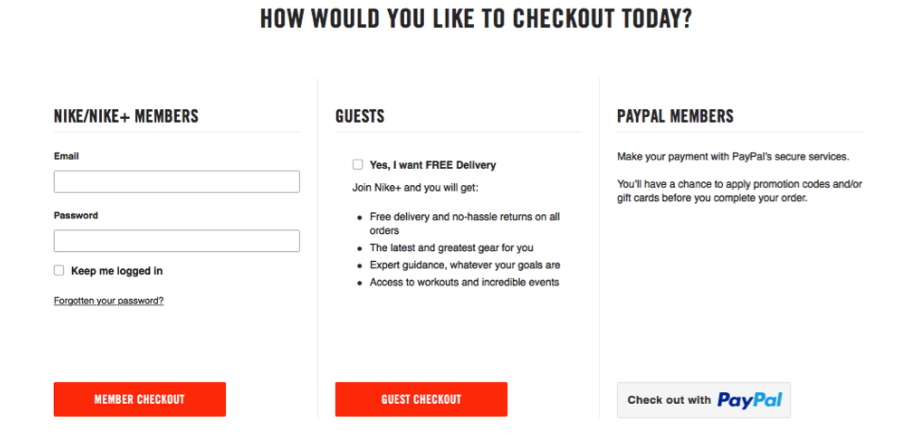
Many customers reach the basket and then leave. The Baymard Institute, which compiles studies on the subject, estimates that on average around seven in ten baskets are abandoned (Baymard Institute, 2026). The most commonly cited causes are excessive extra costs, such as shipping and fees, slow delivery, low trust in the payment process, being required to create an account and overly long checkout procedures. Almost all of them can be fixed without rebuilding the site.
6. Trust signals are missing
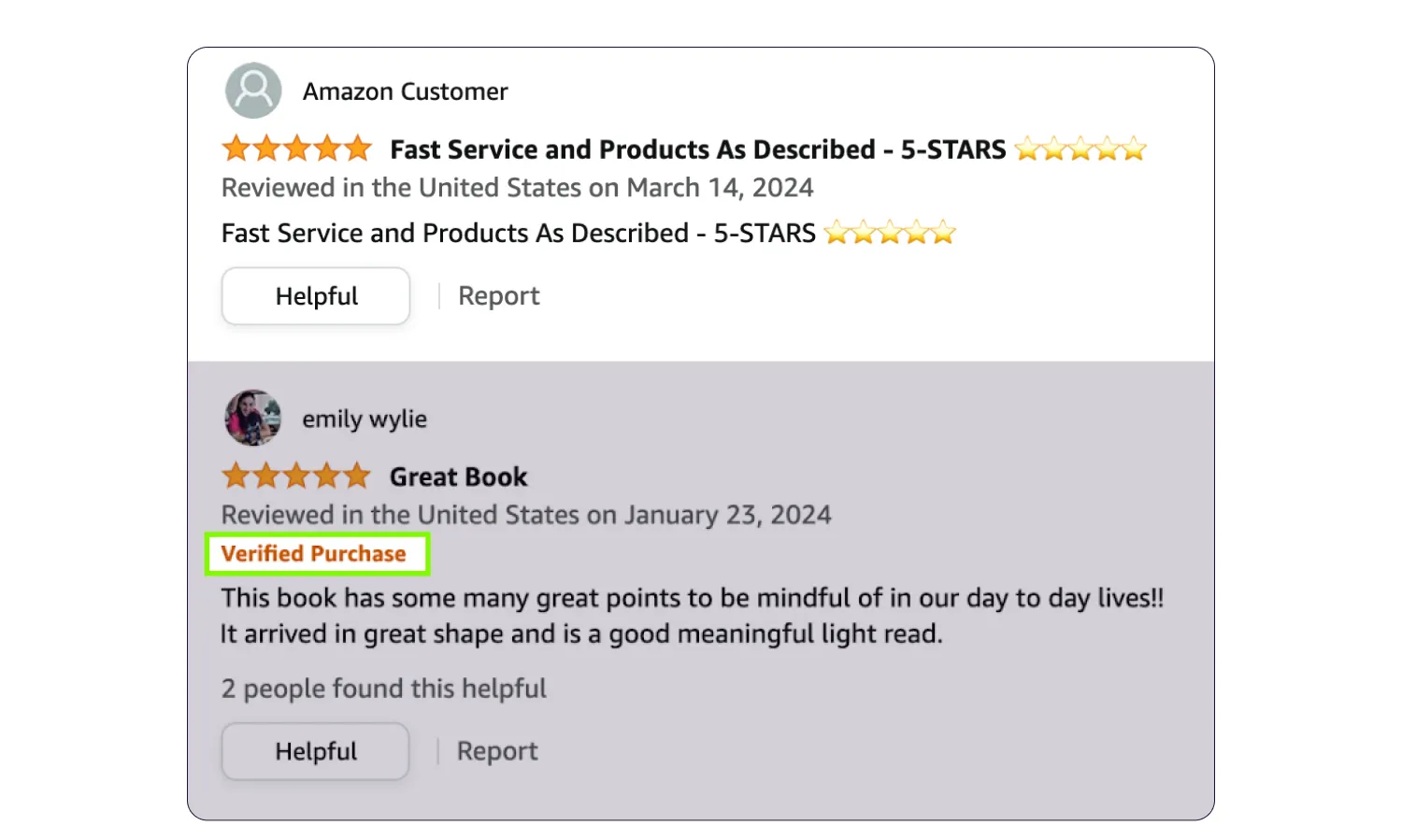
Buying from an unfamiliar site is a risk, and customers look for signals that reduce it. Verifiable reviews, clear return conditions, visible contact details, familiar payment methods and a company story told through facts make the difference, especially for expensive products and first-time buyers. According to Baymard, almost one in five shoppers who abandon their purchase do not trust the site with their card details (Baymard Institute, 2026).
7. The data doesn’t show where to act
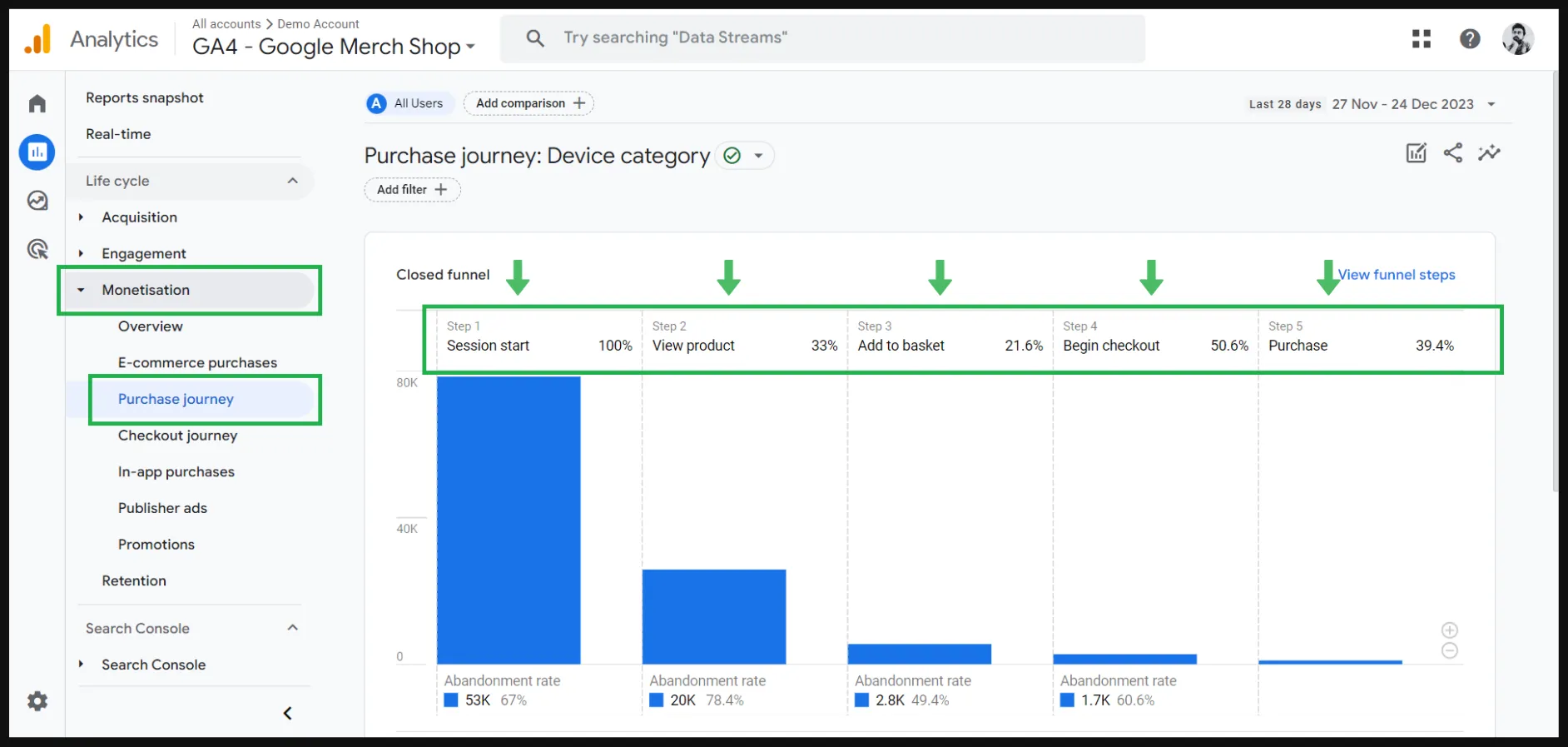
If sales tracking is incomplete, every decision is made in the dark. You do not know which campaigns bring in customers, which pages drive people away, or which products are viewed but never bought. It is the least visible cause and often the first to fix, because without reliable data even the right changes seem not to work. The bare minimum is to record visits, add-to-baskets, checkout starts and orders, along with their source.
I’ve launched an e-commerce site but I’m not selling: where do I start?
If you have recently launched an e-commerce site and are not selling, the starting point is almost always the first cause (visits) together with the seventh (data). A new shop has no history in search engines, no returning customers and no reviews: it has to earn every visit.
Three things are worth doing in the first few weeks.
- Check that tracking records visits, add-to-carts and orders.
- Choose one acquisition channel and measure it, instead of opening five.
- Ask your first customers, including those who did not buy, what persuaded or stopped them. Their answers are worth more than any desk-based analysis.
Time is the other variable to accept. Organic visibility takes months, while advertising brings visits immediately but costs money every day. The choice depends on product margins and available cash.
Plenty of e-commerce visits but few sales: the conversion rate is low
When the visits are there but the sales aren’t, the problem is the e-commerce conversion rate, the percentage of visits that turn into orders.
This figure is calculated by dividing orders by visits over the same period. A low rate means the journey breaks down somewhere between arrival and payment.
To understand where, follow the journey step by step: how many visits reach a product page, how many add to basket, how many start checkout, how many complete it. The step with the sharpest drop is the one to work on first. It is the logic of the sales funnel applied to an online shop.
A conversion rate is compared with itself over time rather than with industry averages, which vary widely by product, price and traffic source. A jewellery e-commerce site and a car parts one do not share the same purchase journey.
Why do customers abandon their cart?
Customers abandon their baskets mainly because of unexpected costs. In the Baymard Institute’s research, among those who abandon during checkout, 40% cite extra costs that are too high, 20% delivery that is too slow, 19% a lack of trust in the site, 18% being required to create an account and 17% a checkout process that is too long or complicated (Baymard Institute, 2026).
Why people abandon their basket
The reasons given by people who leave the site during checkout.
Extra costs too high shipping, fees, taxes
40%Delivery too slow
20%Lack of trust in the site to enter card details
19%Mandatory account creation
18%Checkout process too long or complicated
17%
Baymard Institute, 2026. Percentages refer to those who abandon during checkout and do not add up to 100, because each person can give more than one reason. Bars are proportional to the most cited cause.
Each cause has a practical answer: show the delivery cost before the basket, allow purchases without registration, reduce the number of form fields, offer familiar payment methods. Some abandonment is natural in any case, because many people use the basket to compare. Techniques for recovering a share of it, from reminders to targeted offers, are covered in the article on abandoned baskets.
How to bring qualified traffic to an e-commerce site
Qualified traffic comes from three sources: people already searching for the product or brand, people who discover it through targeted ads, and people who return because they have already bought. It pays to work on all three in order of reliability, not volume.
Google search is the source closest to the purchase, because it reaches people who are already searching. It covers organic search, meaning e-commerce SEO with optimised categories and product pages, and ads on brand and product searches.
Social media serves mainly to introduce the product to people who don’t yet know it. It works when the audience is clearly defined and when products are shown again to people who have already visited the site: the guide to Meta Ads for SMEs explains how to set budgets and objectives. The third source, returning customers, is the least expensive and the most neglected.
How to increase e-commerce sales
There are three levers for increasing e-commerce sales: (i) more qualified visits, (ii) a higher percentage of visits that end in a purchase and (iii) more purchases from existing customers. The third often delivers the best return, because it does not require persuading anyone from scratch.
Customers come back when they have a reason: a range to discover, a good buying experience, communication that keeps them informed without bombarding them with discounts. That is the work of customer loyalty, which turns a first order into a relationship.
On the catalogue side, it helps to guide customers from a product they know to the others: pairings, trial sizes, routes by taste or by use. To unblock sales in a stalled online shop, it is often enough to make the second choice easier, not just the first.
A real case: the Profumum Roma online shop
Profumum Roma is an artistic perfumery house founded in 1996, selling online a product that cannot be smelled through a screen. In our work, the initial analysis found four related issues: poorly structured digital acquisition, brand searches on Google left largely uncovered, incomplete conversion tracking and Meta campaigns focused on awareness, with no defined path to purchase (Bliss, Profumum Roma case study).
The work addressed every cause described above. The website was rebuilt from scratch, with the fragrances organised by olfactory family, rewritten product pages, photography of the entire catalogue and a kit of five samples for trying the fragrances at home. Google campaigns covered brand and product searches, Meta campaigns were geared towards sales, and Google Analytics 4 tracking provided a basis for deciding where to invest.
Between 2024 and 2025, gross e-commerce revenue rose from 807,931 to 1,001,051 euros, i.e. +23.9%, and between April and December 2025 orders rose from 3,477 to 4,538 compared with the same period of the previous year (Bliss, Profumum Roma case study). These results were achieved not through any single intervention, but through sequencing: first the data and the catalogue selection were addressed, then the site, then acquisition.


Our case study
Data and catalogue first, then the website, then acquisition
A product you cannot smell through a screen: website rebuilt from scratch with the fragrances organised by olfactory family, rewritten product pages, photography of the entire catalogue and a kit of five samples to try at home. Then brand searches secured and tracking rebuilt. Between 2024 and 2025, gross e-commerce revenue rose from 807,931 to 1,001,051 euros, +23.9%.
Read the case studyWhen the problem isn’t the website
Sometimes an e-commerce site still does not sell even after visits, website and basket have been fixed. In those cases the problem lies upstream: the offer has no clear reason to be chosen, the price is not consistent with how the brand is perceived, or the shop speaks to a different audience from the one that actually buys.
These are questions of positioning more than of e-commerce, and they are resolved with whoever decides what to sell, to whom and at what price. This is the territory of our Brand Advisory, which starts from the brand before working on the channels.
Domande frequenti
Why does my e-commerce site get visits but no sales?
Usually for one of three reasons: the visitors are not interested in the product, the site does not help them choose, or something in the basket makes them abandon the purchase, such as unexpected delivery costs. The first step is to see at which stage of the journey most visitors drop off and act there.
How long does it take for an e-commerce site to start selling?
It depends on the channels. With advertising, the first sales can come within a few days, if the offer and the site are ready. Organic visibility on search engines, by contrast, takes months. A new shop must allow for a trial period in which to measure and correct before assessing results.
What is meant by an e-commerce conversion rate?
It is the percentage of visits that turn into orders, calculated by dividing orders by visits over the same period. It should be compared mainly against your own data over time, because averages vary widely across sectors, price points and traffic sources, and a single figure on its own says little.
Is advertising worth it if the online shop isn't selling?
Only after checking that the site is ready to sell and that tracking works. Bringing more visitors to a shop that loses customers at the basket multiplies the problem. First fix the offer, product pages and checkout, then invest in bringing more people in.
How do you win back customers who abandon their cart?
Through email reminders to customers who left an address, through ads that show the products they viewed again and, before that, by removing the causes of abandonment: hidden costs, mandatory registration, lengthy checkout processes. Some abandonment remains natural, however, because many people use the basket to compare.
Could the e-commerce platform be the problem?
Rarely on its own. A slow or awkward platform makes things worse, but a shop without qualified traffic, a distinctive offer or proof of trust will not sell even on the best platform. The choice of platform comes after deciding what to sell and to whom.