


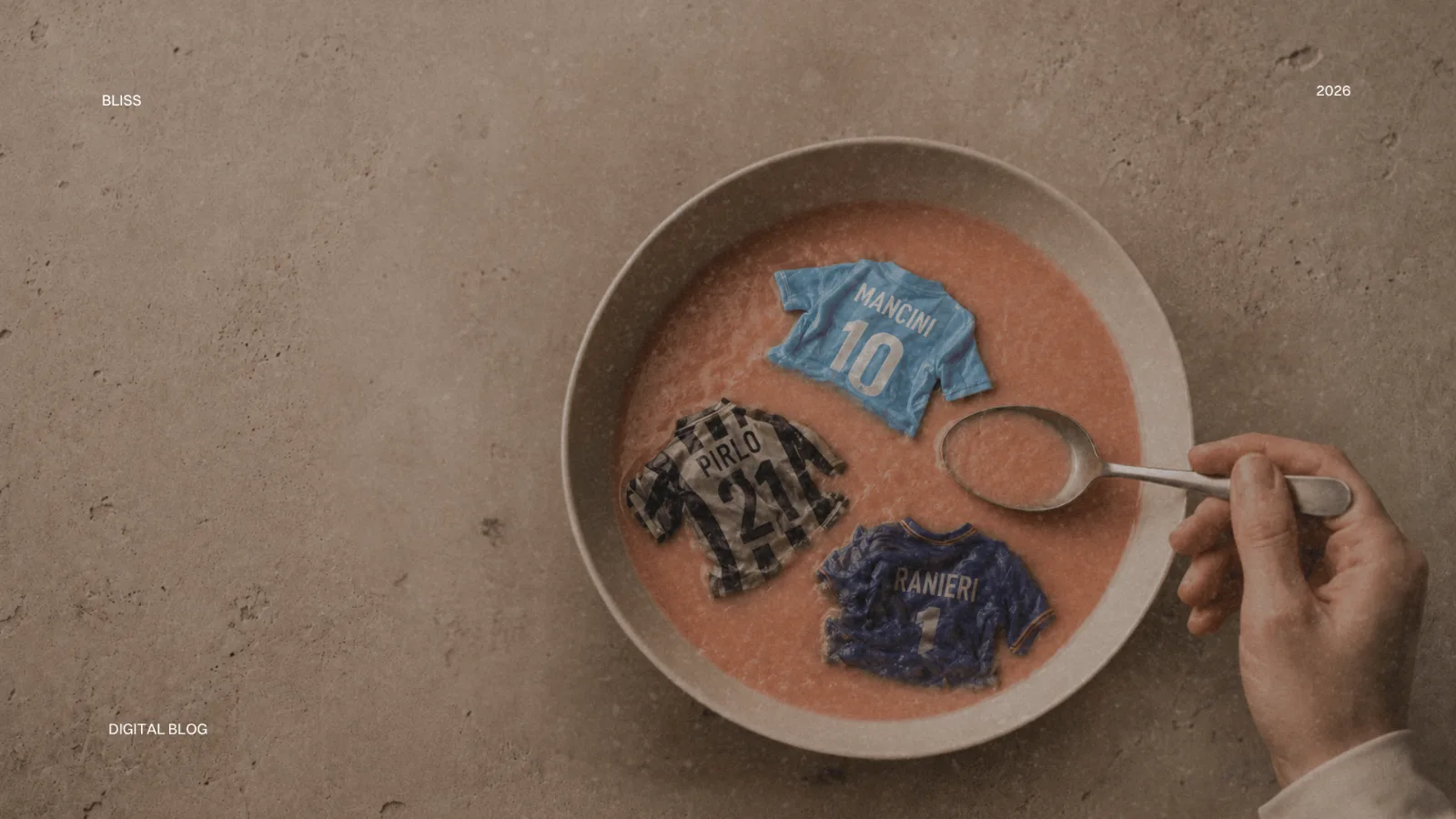
On 28 July 2026, sixteen days after appointing Paolo Maldini as technical director and Leonardo as advisor, the FIGC announced their resignations and the appointment of Roberto Mancini as head coach and Claudio Ranieri as technical director.
The reason is well known: Maldini and Leonardo choose Pirlo as manager. Malagò vetoes Pirlo over his ties to Fonbet (a Russian betting company). Maldini and Leonardo resign. Malagò recalls Mancini.
Yes, Roberto Mancini. The manager who failed to take Italy to the 2022 World Cup now returns with the task of taking us to the 2030 World Cup.
In short, yet more reheated leftovers.
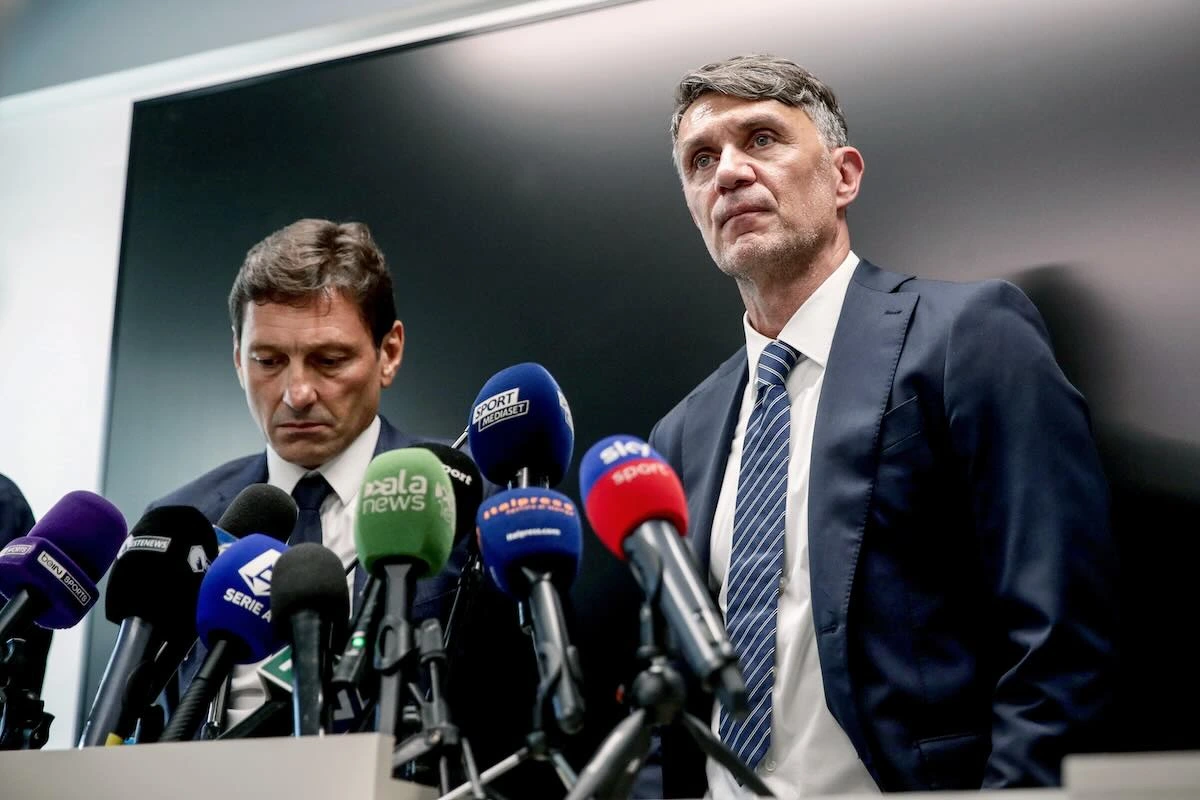
The Pirlo affair, explained
Whether or not Pirlo was the first choice (rumours about Guardiola had been circulating for some time), the outcome is the same. While nations such as Spain, France and Morocco cement their status through decade-long programmes capable of producing talent and securing high positions at every tournament, Italy argues over who its national manager should be, allowing itself to keep executives in post for just sixteen days.
The stated problem was Fonbet: a Russian betting platform with which Pirlo had a commercial relationship. Whether that is the truth or a mere pretext (after all, Pirlo’s track record is not exactly exemplary), we will never know. One thing is certain, though: it was “an embarrassment” (as Minister Abodi put it). Malagò replied: “That depends on who caused it”.
Meanwhile, Germany signs Klopp and France signs Zidane.
The people change, the result does not
Over the last ten years, the Italian national team has had Conte, Ventura, Mancini, Spalletti, Gattuso and now Mancini again. It won a European Championship and missed three consecutive World Cups. The 2022 tournament in Qatar was the biggest shock: knocked out by North Macedonia in a play-off nobody imagined losing. The 2026 one barely even made the news.
Every time a crisis hits, the response is the same: change the coach. Look for a new figure. Announce a new era. Hold the press conference. And start all over again when things go wrong. The players change (on the surface), but the outcome does not. The hope was that Malagò would bring fresh lifeblood, but that clearly does not seem to be the case…
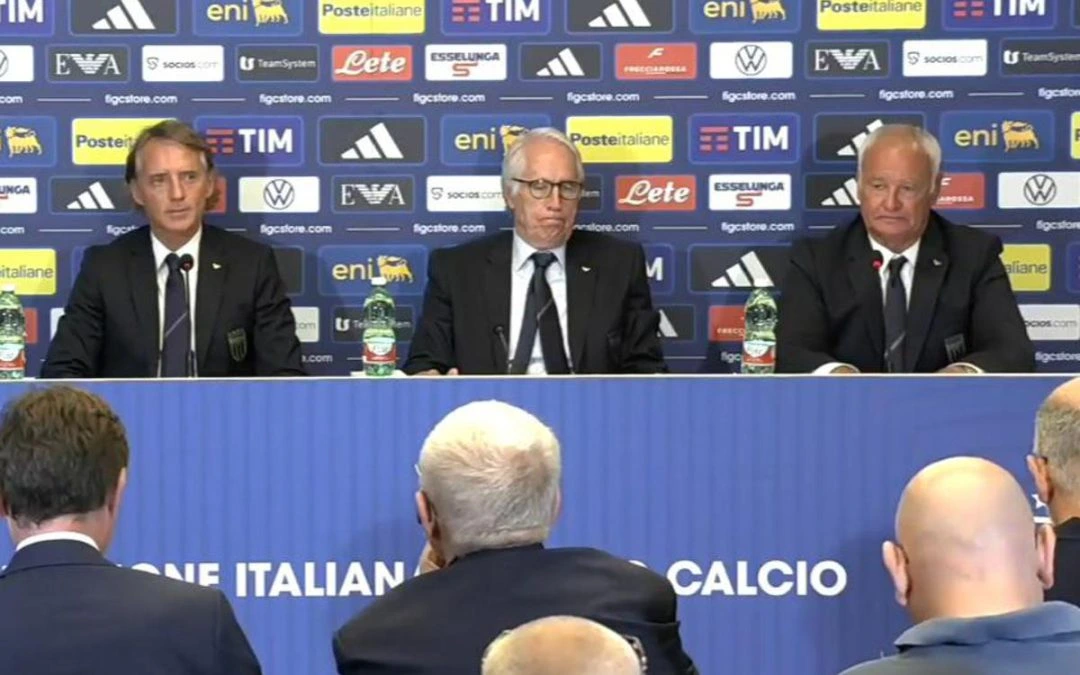
Speaking of press conferences, the one presenting Mancini and Ranieri was held yesterday, 29 July. Broadcasters will not be allowed to bring their own cameras into the room: the footage was produced and distributed directly by the FIGC, and sold (at a price of 500€) to interested channels.
A federation that fails to take the team to the World Cup, and then stages the unveiling of the new manager so that it alone controls the images, says a great deal about the direction it is looking in.
The Italian national team is an irrelevant brand
The main problem with the Italian national team, however, is not the manager. It is probably not even its leadership, but the fact that it has stopped being something interesting to watch.
Sinner is world number one. He has won Slams and, when he plays, Italy stops. The national volleyball teams, men’s and women’s, collect medals without end. Basketball, fencing, swimming: in all these sports Italy has world-class athletes delivering results that, compared with ten or twenty years ago, we now feel are more our own.
The truth is that we are falling out of love with the national football team. A positioning problem, pure and simple: what for decades almost automatically held a privileged place in the Italian sporting imagination now competes with alternatives capable of generating attention, recognition and belonging. Our favour has shifted to these other sports and the entertainment they bring. Not just a question of results, but of passion, engagement and pride.
A win of some kind at the next European Championship could rekindle interest. But a brand that needs a result to justify its existence is not a real brand: it is a product waiting for a promotion.
The problem is not the players, nor the manager
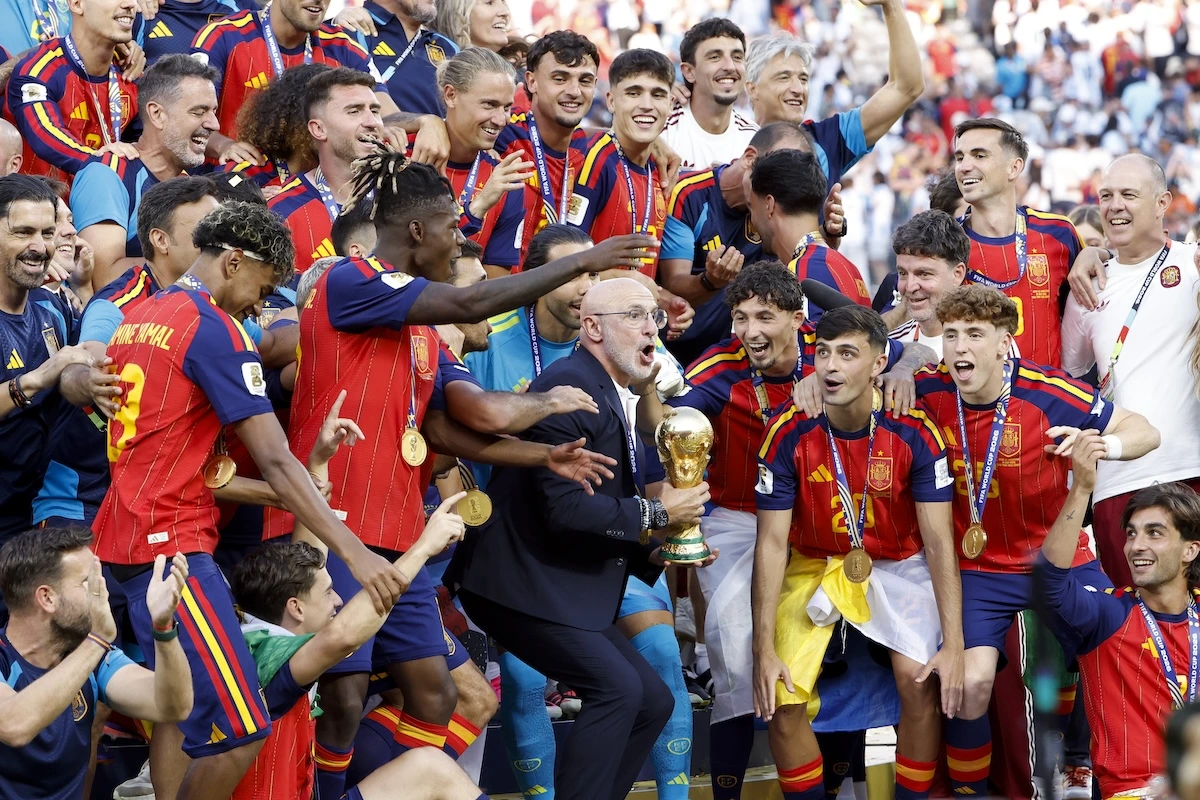
Italian football has a systemic problem that no national manager can solve alone. Youth academies produce fewer talents than those of France, England, Spain, Germany and Portugal. Clubs invest in foreign players because it pays. The pipeline that should turn young people into Serie A players and then into internationals works worse than it should.
This is not a problem you solve by choosing Pirlo over Mancini, or Mancini over Conte (the fact that even the national team managers are always the same speaks volumes…). It is a structural problem that requires decisions nobody wants to take, because results arrive years later and mandates are shorter. A long-term strategy, in fact, works exactly the other way round: it sets a direction first and allows the people in the roles to change without forcing the system to start over every time.
The FIGC keeps changing who leads the team without changing the system that produces it. It is first and foremost a governance problem: without criteria and continuity, every change of leadership forces the organisation to start over. It is the perfect definition of doing the same thing and expecting different results. Reheated soup, however skilled the person reheating it, will always be reheated soup.
We may as well accept it.
Domande frequenti
Can the national team become competitive again without reforming youth football?
No, and the nations that outclass it prove as much. France, England and Spain do not dominate tournaments because of their head coaches: they dominate them because they produce talent systematically. Clairefontaine, St. George's Park and La Masia are decade-long investments in a process. Italy stopped making that kind of investment when clubs found it cheaper to buy players already developed elsewhere. The head coach can make the most of what is there. He cannot create what is missing.
Is Mancini really the wrong choice, or is the problem the system around him?
Mancini is a good coach. He is not the problem. The problem is that bringing back someone who already failed at the very objective he is being recalled for (taking Italy to the World Cup) signals that the FIGC has no plan. Plans are built through continuity and a system that supports them. Emergencies are managed with reassuring names. Mancini is a reassuring name in a system that has changed nothing structural.
Is the comparison with tennis and volleyball fair, or are these sports too different to compare?
The comparison is not about the rules of the game but about the attention of the Italian public, which is a finite resource. Sinner, the women's national volleyball team, Antonelli: these names now occupy an emotional space that twenty years ago belonged almost entirely to football. The reason is not just that they win: it is that they win in a recognisable way, with athletes we know by name who stand for something specific. The national football team has lost that role. Until it regains it, sporting results will be a necessary but not sufficient condition.
Fonti e riferimenti
- FIGC, Paolo Maldini direttore tecnico della FIGC, Leonardo sarà advisor - fonte
- FIGC, L’annuncio di Malagò: Roberto Mancini Ct della Nazionale, Claudio Ranieri nuovo direttore tecnico FIGC - fonte
- Reuters, Maldini, Leonardo resign from Italy federation after Pirlo coaching plan collapses - fonte
- Sky Sport, Pirlo non sarà ct dell'Italia, Maldini e Leonardo potrebbero dimettersi - fonte
- ANSA, La verità di Malagò: “Mancini si è già scusato, su Pirlo io non sapevo” - fonte
- ANSA, Figc: polemica sulle immagini tv a pagamento, Malagò: “Se errore rimedieremo” - fonte
- FIFA, Bosnia, Czechia, Sweden and Türkiye qualify as Italy miss out - fonte
- DFB, Jürgen Klopp als Bundestrainer vorgestellt - fonte
- FIFA, Zidane appointed France coach - fonte
- Reuters, New coach Mancini wants to make Italy great again - fonte