


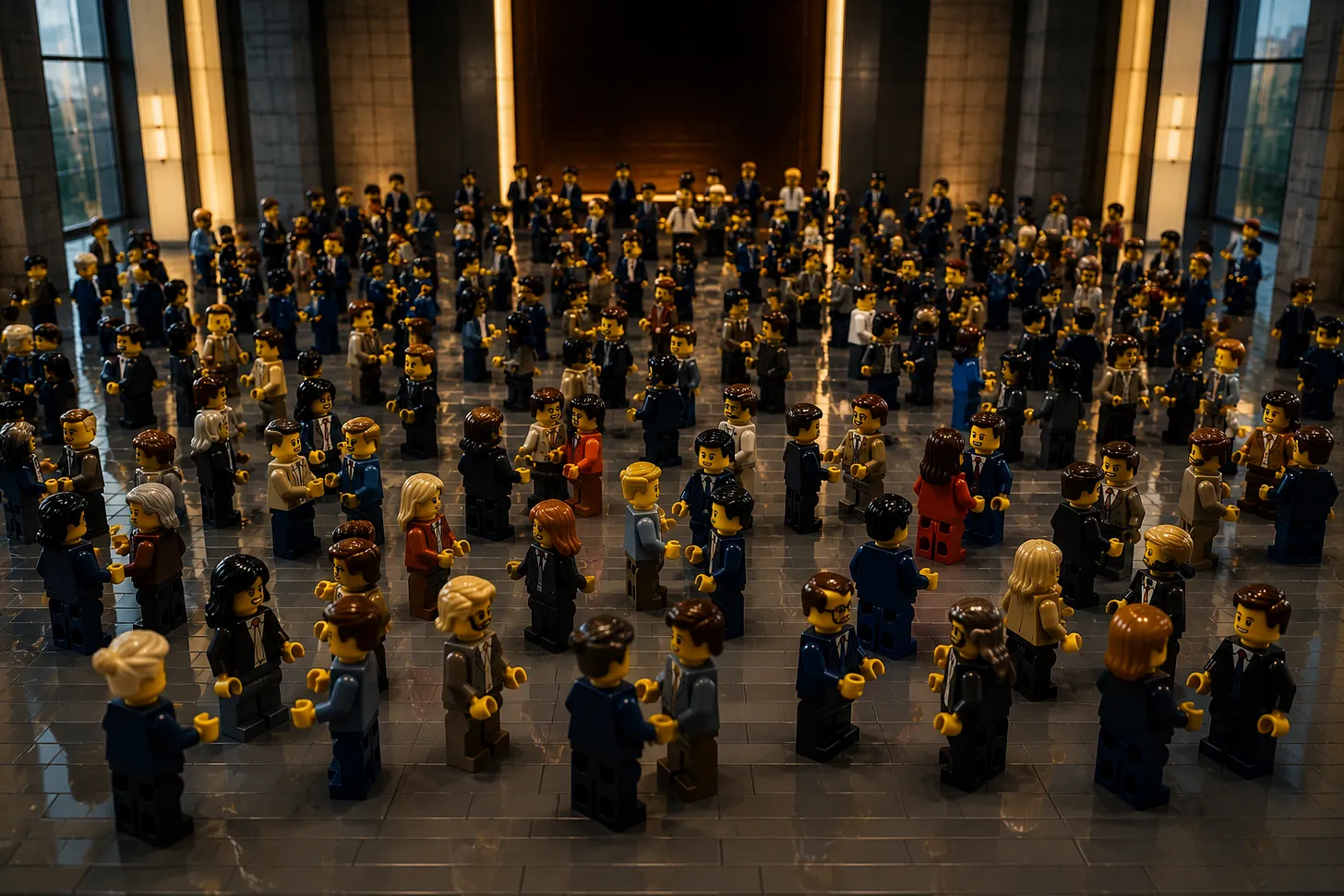
Brand experience is the sum of the experiences through which a person comes into contact with a brand and, over time, forms a perception of its identity. It encompasses communication, product, service, physical and digital environments, people’s behaviour, customer care, events and every other touchpoint capable of leaving an impression.
For a company, it means turning positioning into something the public can genuinely experience.
A space, for example, can make visible choices that would remain abstract on a screen. Materials, light, service, people, rituals and ways of use convey, all at once, what kind of brand we are dealing with and what relationship it wants to build with its audience.
This is also why, after years in which a growing share of the brand experience moved online, many brands are once again investing in physical places. Flagship stores, clubhouses, pop-ups, cafés and events become tools for increasing the time spent with people and for creating relationships that are harder to compress into a view or a click.
The case of Rapha is particularly interesting.
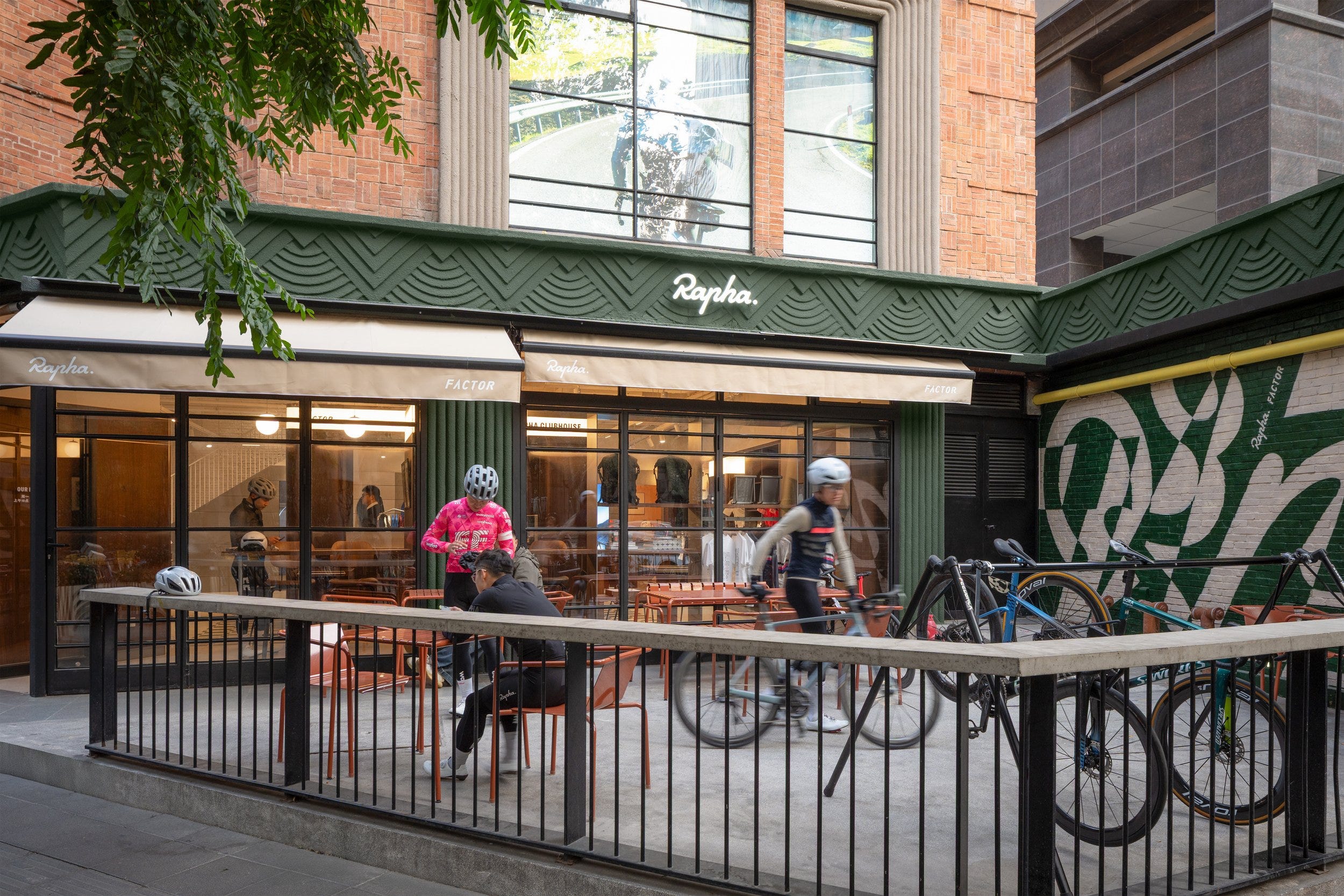
In December 2025 Rapha opened its first Chinese Clubhouse inside a restored 1925 villa in central Shanghai.
A curious choice, at least at first glance.
Rapha sells cycling apparel all over the world. It can reach thousands of people at the same moment with a newsletter, a campaign or a social post. Yet in Shanghai it restored a hundred-year-old building to let in a few dozen people at a time.
Inside there are bikes, apparel, coffee. Rides set off, come back, people linger. Some arrive already knowing the others; some will meet them there.
Rapha’s global marketing director described the opening as a shift from a digital, partner-mediated presence to a physical expression of the brand.
After all, Rapha could simply have opened a shop, but it chose to build something more: a place where product, community and identity could coexist.
And this is where brand experience becomes a strategic question.
The value of being there
The trend concerns many more brands than it might seem.
In the first quarter of 2025, European investment in retail real estate grew by 26% year on year. Even companies born and raised digitally are investing in square metres, flagships, pop-ups, cafés, clubs and physical experiences.
This is happening at a time when reaching someone through a screen has become remarkably easy.
Every day, hundreds of images, videos, campaigns, newsletters and notifications scroll past us. Some interest us. Many we forget a few seconds later.
Entering a place requires something different. You have to go there.
Take a road, walk through a door, give it part of your day.
Perhaps this is precisely one of the reasons physical presence is becoming so interesting for brands again: it asks for time. And time has become one of the hardest resources to obtain.
A brand you can walk through
There is also something that a screen, by its very nature, compresses.
On a page we can control images, words, colours, movement, sound.
Inside a space, though, more things come in.
The temperature. The light. The material of a table. The music. The smell. The way someone greets you when you walk in. The people sitting next to you. What happens while you are waiting.
These are details we often could not even list once we have left.
And yet they shape what we remember.
A place allows the brand to become an everyday experience. It can be walked through, touched, inhabited for an hour. It is a form of brand experience in which value arises from the sum of the touchpoints: space, people, service, atmosphere and brand behaviour. It can even begin to hold memories that belong to people more than to the company.
This is where Rapha’s choice becomes particularly interesting.
A space must have a job to do
Opening a physical location does not automatically create a brand experience.
The space must have a function in the relationship between brand and audience. It can allow the product to be tried more fully, offer a service that is hard to replicate online, become the meeting point for a community or build rituals that bring people back to the same place with some regularity.
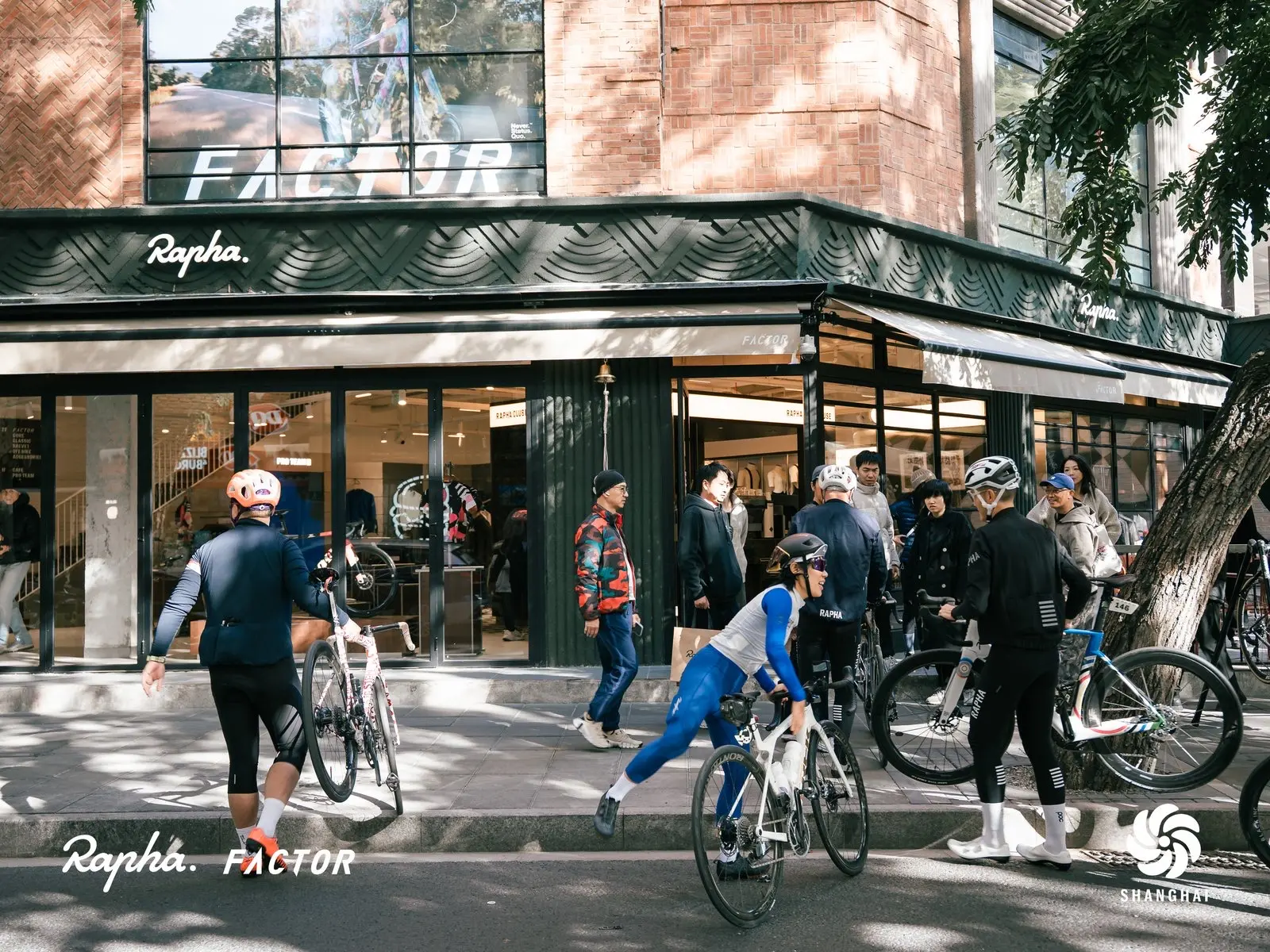
Rapha manages to combine several functions. The Clubhouse sells clothing, but it is also the starting point for a ride, the place where you have a drink on your return and a space in which people who share the same passion can recognise one another.
It is an important distinction, and it raises a question that should always come before calculating square metres, furnishings and location: what will people be able to do here that they could not do anywhere else?
The answer defines the strategic role of the space.
A hundred people
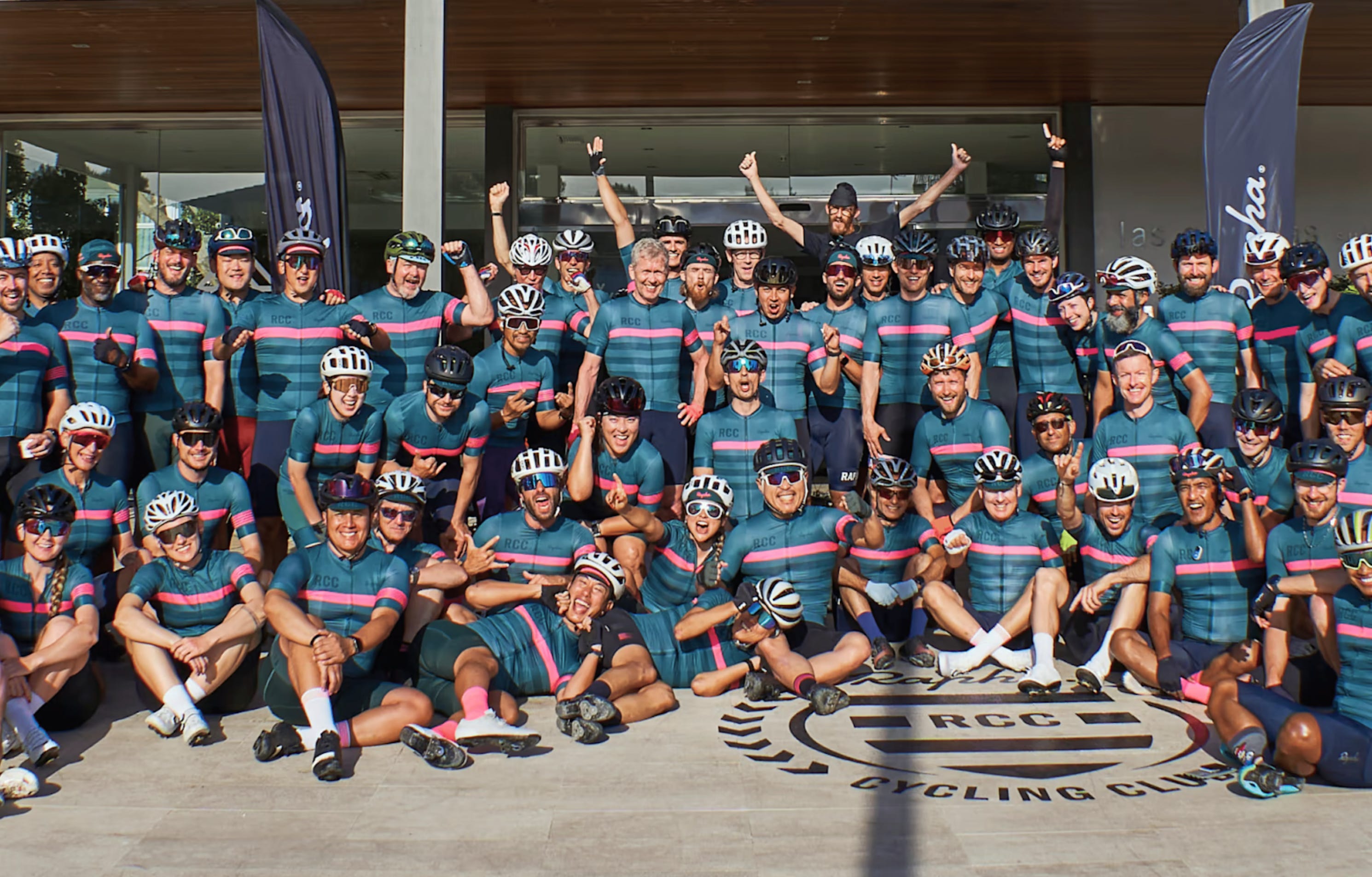
Five hundred thousand followers and a hundred people in a room are two numbers that describe very different phenomena. The first describes a possibility of contact. The second have shared something in the same place at the same moment.
Perhaps they rode together that morning. They waited for the one who fell behind. They had a coffee on the way back. Some of them met precisely because Rapha had given them a place to meet.
The Rapha Cycling Club also works through a network of ride leaders who organise weekly rides in different cities.
Over time, something particular happens: relationships begin to exist laterally as well. The audience starts to behave like a community in its own right, generating relationships and value among its own members too.
And so one person comes back because they know who they will find. Another brings a friend. Someone starts to associate Saturday morning with that group. The brand remains present in all these relationships, through the place, the service, the experience and the culture it helped to create.
It is a form of value that is hard to achieve through exposure alone. This is where experience begins to turn into emotional loyalty: the real reason to return includes.
When the event makes it into the calendar
An opening can be spectacular, of course, but the most interesting part begins a few weeks later.
A pop-up can generate photos, articles, content and queues outside the door. But who comes back afterwards? And why?
The Saturday-morning ride. The Thursday listening session. A dinner that returns every month. A presentation that becomes a fixture. A group that starts to recognise itself.
At that point the brand enters a very particular dimension: people’s calendars.
An event produces a memory. Recurrence builds familiarity.
After a few months, the place can become one of those spots people go to almost without asking any more who organised the gathering.
And this is probably where the most interesting value of these investments is measured.
How do you measure the value of a physical brand experience?
Revenue per square metre remains an important indicator when the space has a commercial function. But it tells only part of the story when the investment must also build relationships, community and brand value.
Other signals then become relevant: how many people return, how often they take part in activities, how long they spend in the space, how many bring someone else, how many join the community, what content they produce spontaneously and how their relationship with the brand changes after the experience.
The metric depends on the job assigned to the place.
A flagship designed to increase desirability will have different criteria from a clubhouse built around community. A pop-up intended for acquisition will be read differently from a permanent space that must increase retention and frequency.
This is precisely where the ninety-day test comes into its own.
The opening measures the ability to attract attention.
What happens three months later measures the ability to earn a return visit.
The ninety-day test
That is why, before judging a space by the number of people at the opening, it would be worth observing it ninety days later. It is Saturday morning. Who opens that door?
And what brought them back?
The photographer has left. The launch campaign has ended. The novelty has worn off.
The answer says far more than the impressions gathered during the first week.
A place that manages to become part of people’s habits accumulates something over time: relationships, familiarity, stories, shared memory.
That is why the image of a hundred people in a room is so interesting.
Online, we can reach a hundred thousand in the same time.
In that room, though, someone has met someone. Someone has already decided they will come back next Saturday. Someone will start to associate that place with a small part of their week.
And perhaps the value that is hardest to replicate begins right there.
How much value does your brand experience create?
A thirty-minute conversation with the Bliss team will pinpoint where your brand can become more present in people’s lives.
Domande frequenti
When does it make sense for a digital brand to open a physical space?
When there is already enough demand to justify a deeper presence than online contact alone. An active community, geographical concentration of the audience, purchase frequency and a need for direct experience are useful signals. A physical space makes sense above all when it adds something digital cannot replicate: trial, relationship, ritual, service or belonging. At that point the place stops being merely distribution and becomes part of the brand's identity.
How do you measure the success of a clubhouse or brand space?
Sales tell only part of the story. You also need to look at return visits, frequency of participation, community sign-ups, dwell time, recurring events, referrals, spontaneous content and the space’s ability to generate relationships that continue after the visit. The most telling signal comes over time: how many people return once the novelty has worn off? If after ninety days the place is still finding its way into the audience’s calendar, it is probably building a brand asset, not just traffic.
How can Bliss turn a physical space into a genuine brand asset?
The work begins before the space is designed. Bliss can connect Brand Strategy, identity and experience to define what role the place should play, which behaviours to encourage, which rituals to build and which elements must remain recognisable at every touchpoint. The aim is not simply to design a “beautiful” place, but to ensure that space, service, people, events and language all tell the same promise. A place truly becomes the brand's own when people can recognise it through what happens inside it too.