




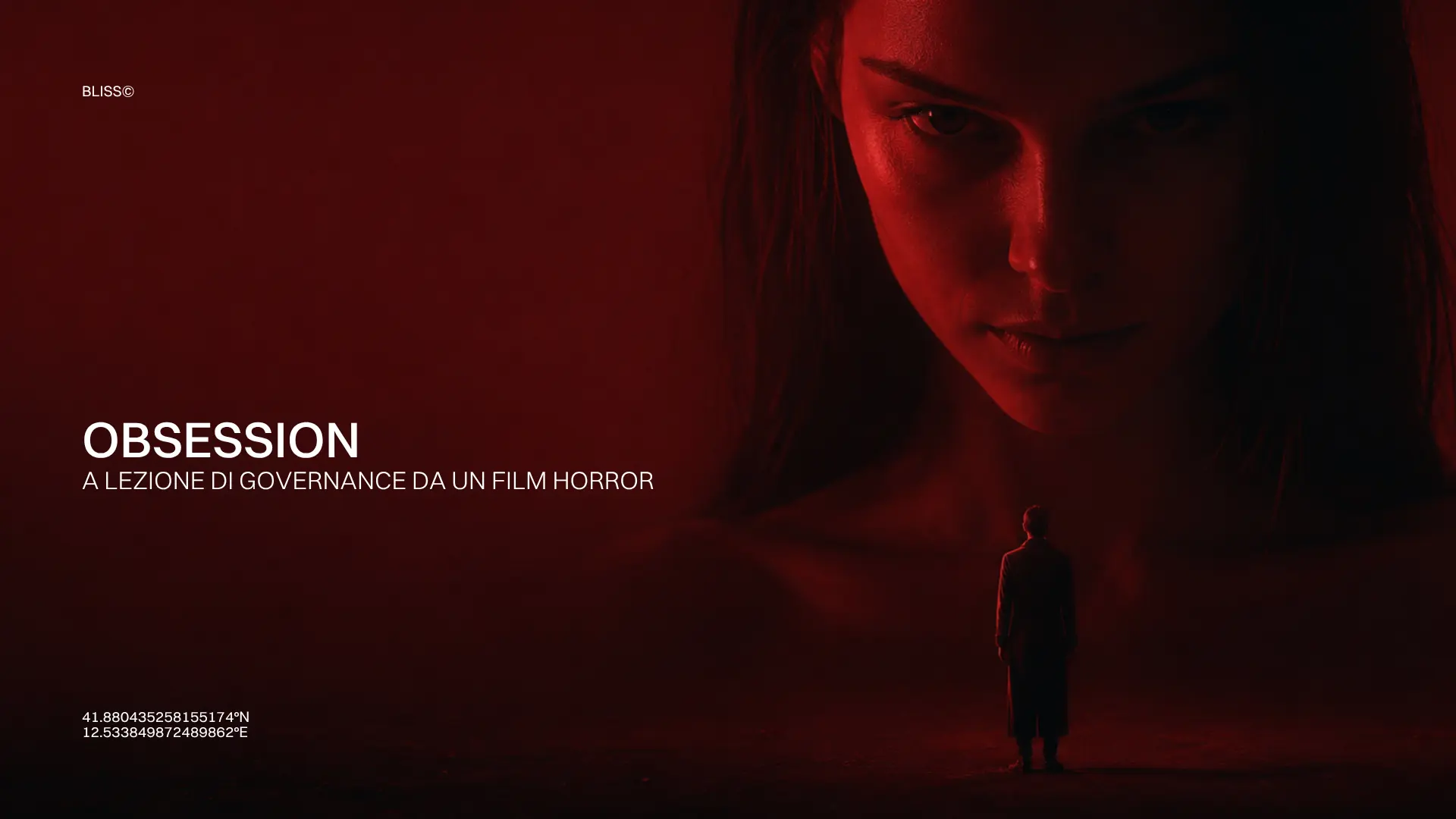
Curry Barker wrote the screenplay for Obsession while working in a coffee shop.
He was 26 at the time. No agent, no development deal, no executive producer watching his back. What he did have was a story, a camera and a clear idea of what today’s audiences wanted to see at the cinema. Dialogue that made sense. Information handled naturally. Logic: even in the absurd.
Unwilling to let this opportunity slip, he pressed ahead, shooting the film he had in mind in Los Angeles in October 2024 on a budget of $750,000. Unknown or near-unknown actors, limited resources, virtually zero CGI.
Chances of success? Slim.
From there the film premiered at the Toronto International Film Festival on 5 September 2025, where Focus Features acquired the distribution rights for $14-15 million: the highest price ever paid for a genre film in TIFF history.
The rest, as they say, is history.
How did he do it? And what can we learn from the story of Obsession?
Let’s find out in this article.
When resources are scarce, choices become surgical
But what are the ingredients of Obsession’s success?
Let’s start with the actors. As mentioned, the cast is made up entirely of unknowns. No big stars, no performers recycled from the genre. In this respect, the choice served the film’s purpose remarkably well, producing a more immersive and terrifying experience.
Part of the credit also goes to the plot. Which, no, is not especially original, but it keeps serving up small twists that shift the viewer’s perspective. No elaborate special effects are needed to make what happens believable: the real horror in Obsession is the darkness of the human soul, and how much people are willing to sacrifice to get what they want.
That is why the screenplay has something rare these days: a precise point of view on a theme that younger audiences experience as urgent. The film explores parasocial obsession and manipulation disguised as romance. A raw nerve among younger generations, who say they are more frightened of, and less interested in, romantic relationships.
And then, let’s be honest: social media was the real secret of the film’s success, making it one of the most discussed films ever among X users.
The distribution strategy
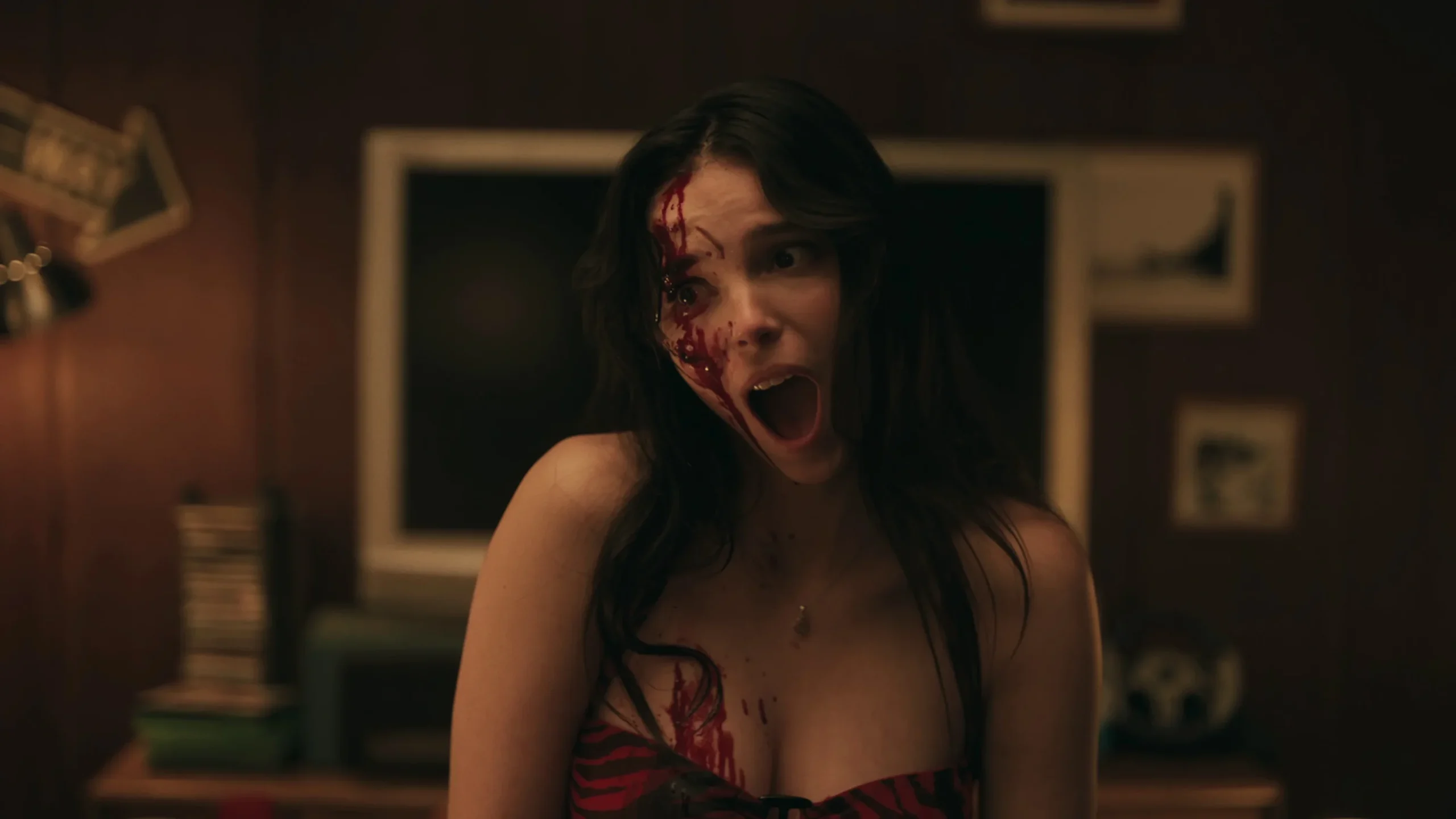
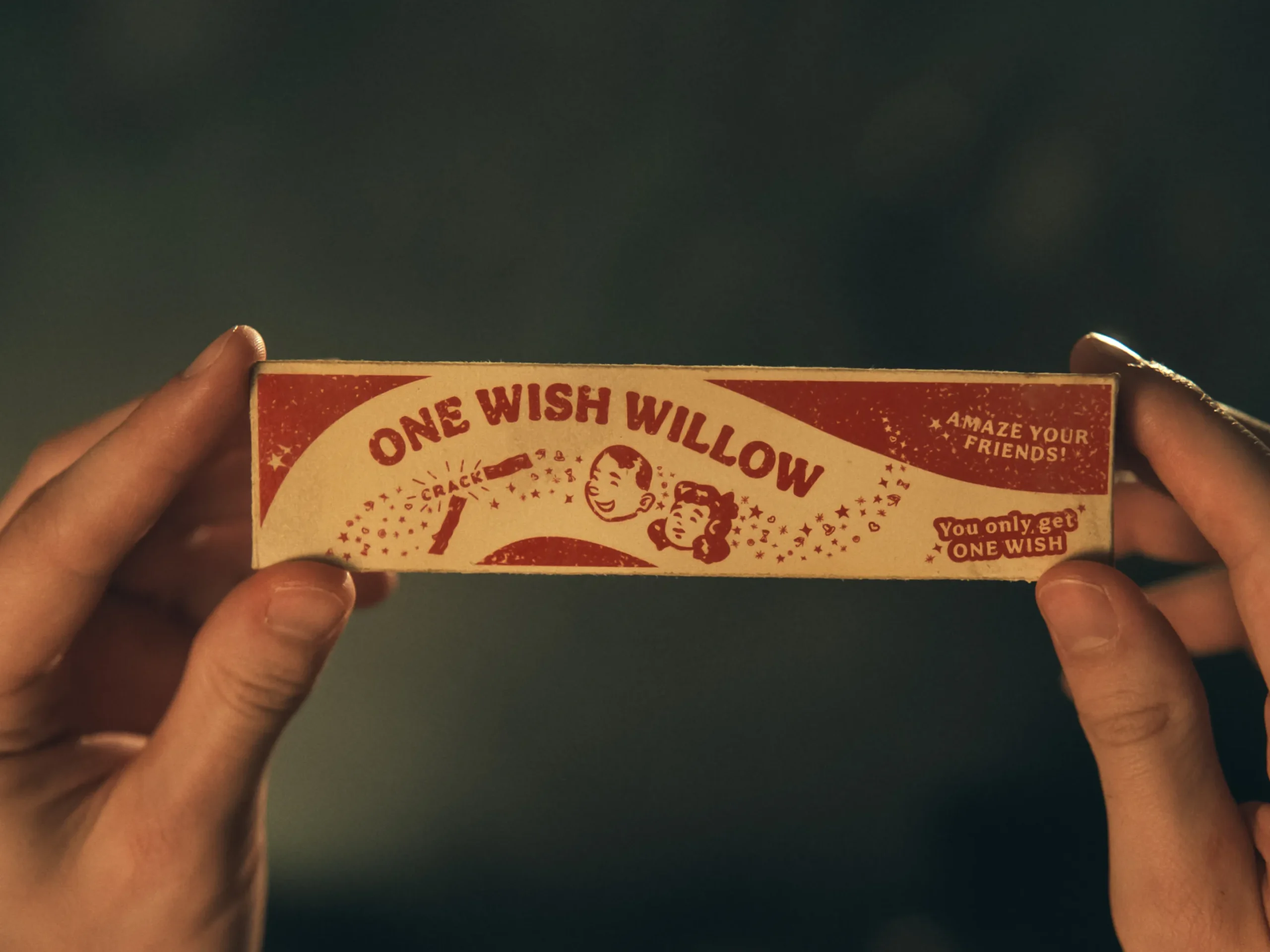
Nikki, the film’s protagonist, had billboards put up in Los Angeles and New York with messages declaring her love. Anyone with the number shown could text her and receive personalised voice notes recorded by the actress in reply. More than 70,000 people took part.
In short, word about the film’s quality spread, and brought new audiences into cinemas.
Why it always comes down to horror, and why it will always work this way
The Obsession phenomenon is not an isolated case.
Horror has a long, documented history of low-cost creative disruption that the rest of the film industry cannot replicate.
In 1973, The Exorcist redefined the entire grammar of the horror film on a budget of $12 million, grossing $441 million worldwide. In 2007, Paranormal Activity was shot for $15,000 by Oren Peli in his own home and took $193 million. The pattern is always the same: a director with a precise vision, limited resources that become a creative constraint, and an audience willing to be frightened by something it had not seen before.
Obsession and Backrooms: two models compared
For most of their run, the two films shared cinema screens, having been released almost simultaneously. And yet, they did not cannibalise each other. In Obsession’s third week, Backrooms opened at number one, and Obsession still recorded a 10% increase.
Parsons has already said he wants to turn Backrooms into a franchise based on internet creepypasta. Barker, by contrast, stated in 2025 that the characters of Obsession will not appear in another film. On one side, yet another franchise. On the other, a cult film. A clear strategic distinction.
The governance lesson
Aaron Couch of The Hollywood Reporter predicted “a generational shift” away from big-budget franchises towards smaller films. What Obsession shows is not simply that small films can beat big ones, but that in our interconnected, fast-moving and ever-changing times there is still room for coherence between vision, resources and understanding of the audience. All elements that produce results that budget alone cannot guarantee.
Hollywood has spent twenty years chasing scale.
2026 shows, for the second time in a few months, that scale is no real advantage if vision is missing at the top.
New Connections (FAQ)
Does the Obsession model only work for horror, or does it apply to other sectors?
The principle applies wherever there is an audience with a specific, unmet need that the dominant players fail to address because they are too busy replicating what has already worked. Horror works well as a laboratory because it has an audience with precise expectations, one key emotion to deliver, and a tolerance for low-budget productions that other genres lack. But the same logic, scarce resources turned into creative constraint and a precise point of view on an issue urgent to one’s audience, holds for any brand seeking to occupy a space no one has yet claimed.
Barker says he will not make a sequel to Obsession. Is it the right brand decision?
It depends on the objective. If the objective is to maximise short-term revenue, a sequel with the original cast and the same thematic tension would probably work. If the objective is to build a recognisable, lasting artistic identity, stopping at a precise work that belongs entirely to itself is an identity governance choice. Barker chose the latter. The risk is that the market forgets him more quickly. The advantage is that Obsession will remain Obsession, with no diluted versions eroding the emotional capital it has built up.
Can a brand with limited resources apply this logic?
In this model, limited resources are not an obstacle: they are a variable that forces choices. Barker could not afford big-name actors, and that constraint produced the film’s main competitive advantage. A brand with a modest budget that tries to replicate the communication of larger competitors always loses on volume. A brand with a modest budget that identifies the most precise possible point of view on the most specific possible audience can build something a bigger budget cannot buy: the perception of having been the first to understand something everyone else had ignored.