


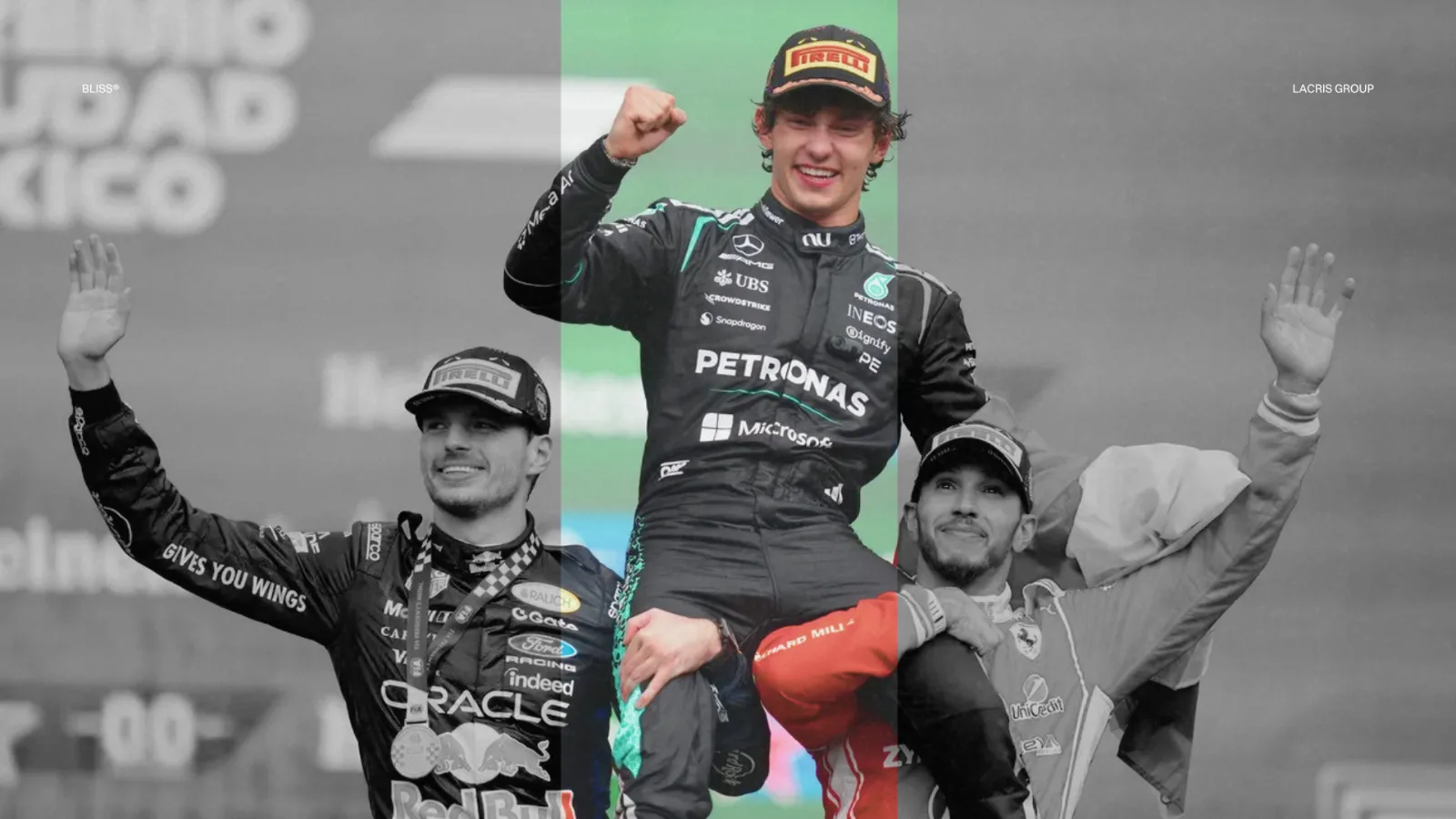
Mexico City, 1 November 2026. Kimi Antonelli crosses the line in third. That is enough: at twenty, he is the youngest Formula 1 world champion ever, and the first Italian to win the title since Alberto Ascari in 1953.
Ascari won that title with Ferrari. Antonelli has won it with Mercedes.
Eight years earlier, Antonelli was still racing karts. He too would have liked to race for Ferrari, but according to his father, Maranello judged him too young even to be assessed. For his former manager Giovanni Minardi, Mercedes offered greater guarantees for his future. And so it was the German manufacturer that signed him.
The perfect mirror of our country, of our times and of everything that is wrong with industry today.
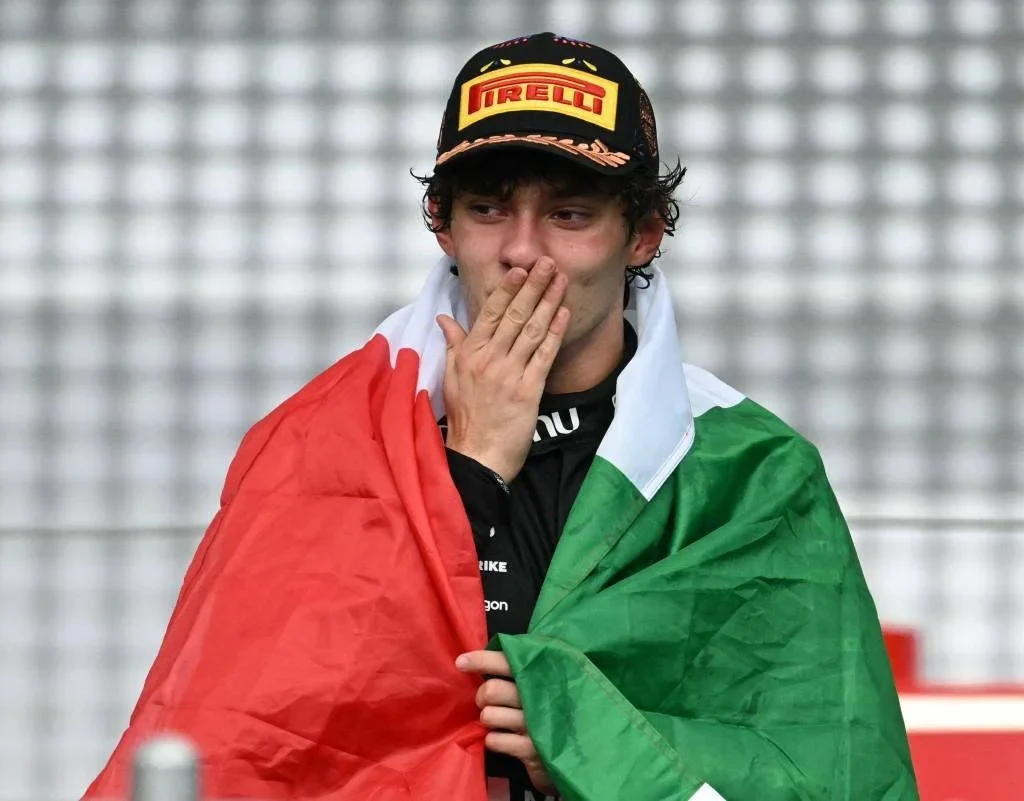
What ‘too young’ really means
Too young is a strange phrase. It sounds like a judgement on the person who hears it, yet it is almost always a confession by the person who says it.
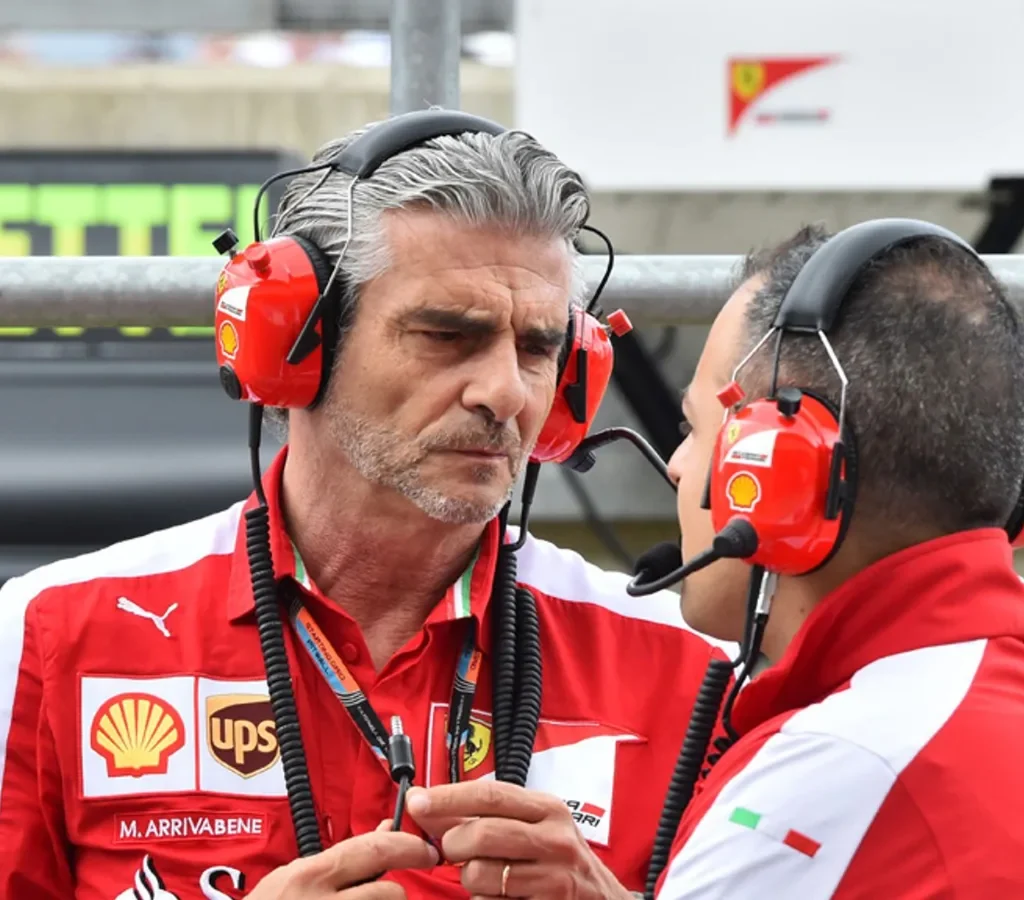
Maurizio Arrivabene, who was leading the team in 2018, has explained that Ferrari did not yet have a structure to look after drivers of that age. At the time it was fighting for the championship with Vettel and preparing for the arrival of Charles Leclerc, whom some also considered too young. Seen from the inside, then, that no was reasonable. But take note, because this is exactly the point: the costliest noes are always the most reasonable ones.
Mercedes had the perfect pathway in which to develop him. Toto Wolff has said the team invested at least ten million in his career over nine years. When they took him on, no one could know he would become the youngest world champion ever. Yet, for some, it was worth waiting to find out. And today that bet has paid off.
The bill never arrives on time
Salary, contract: every yes in the present is a clearly visible expense. Far harder to identify is the cost of a no, which appears to create a saving (or at least a non-expense), but in reality consumes the vision and prospects of an entire brand. Whoever invests in a young man who then disappoints will have to explain why. Whoever lets him go will rarely be called to account for what they could have built with him.
The bill, when it comes, may come years later, on live television. And perhaps whoever made the decision is no longer in post.
Once again, it is the rear-view mirror of business: the numbers we look at describe what has already happened. To understand what we have lost, we sometimes have to wait for someone else to give it a chance.
Too young, in Italy
Some might say it is just a Formula 1 story. I, however, see a thoroughly Italian story in it.
Here, you hear ‘too young’ at eleven, yes, but you still hear it at thirty-five. We ask for experience from people we have never given the chance to gain it. We want talent ready-made, with a tidy CV and the risk already taken by someone else. Then, when someone grows elsewhere, we are surprised, as if the talent had been born there.
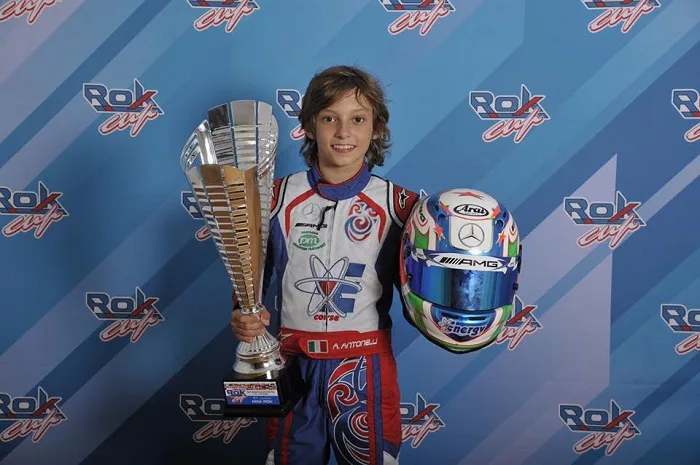
Waiting may be reasonable for those who have to decide today. The cost of waiting is often discovered by whoever ends up deciding tomorrow.
The place where talent can grow
Placing trust in a young person requires a place where they can gain experience, make mistakes and take on responsibility little by little. That place has to be built in advance. In 2018, as Arrivabene tells it, a place like that was what Ferrari lacked.
I speak from experience. When Bliss was founded, one of the long-standing members of this firm was still at school. And yet he had talent: he had vision. Had we waited for him to be ready by Italian standards, we would have had neither him nor all the superb videos he has shot. People form an idea of the company they would like to work for from stories like this too: from who was given a chance, and what they were entrusted with.
Ferrari will have other champions. But somewhere, this week, an Italian company told someone they are too young. In eight years, it will see them on television.
Domande frequenti
Why doesn’t Kimi Antonelli race for Ferrari?
When Kimi Antonelli was still racing karts, Ferrari considered him too young for the pathway it could offer him. Maurizio Arrivabene, who was leading the team in 2018, has explained that Maranello at the time lacked a structure to look after drivers of that age. It was Mercedes that invested in his development.
When did Kimi Antonelli become world champion?
Kimi Antonelli won the Formula 1 World Championship with Mercedes on 1 November 2026, finishing third at the Mexico City Grand Prix. At twenty, he became the youngest world champion in Formula 1 history and the first Italian to win the title since Alberto Ascari in 1953.
What does the Antonelli case teach those who lead a company?
Before asking whether a person is ready for a role, it is worth asking whether the company is ready to help them grow. That takes someone to guide them and responsibilities handed over step by step. The cost of building that path is visible immediately; the cost of forgoing it may surface years later, when someone else has given that person the chance to gain experience.
Fonti e riferimenti
- Fédération Internationale de l’Automobile, F1 – Antonelli crowned F1’s youngest World Champion as Verstappen wins in Mexico City
- Reuters, Mercedes spent millions on nurturing Antonelli after Ferrari said no
- Calcio e Finanza, La rivelazione di Arrivabene: «Ecco perché la Ferrari rinunciò ad Antonelli»
- Carmine Orlando, Kimi Antonelli, perché è stato scartato dalla Ferrari prima di arrivare alla Mercedes