



Since 2018, all forms of gaming and betting advertising have been banned in Italy.
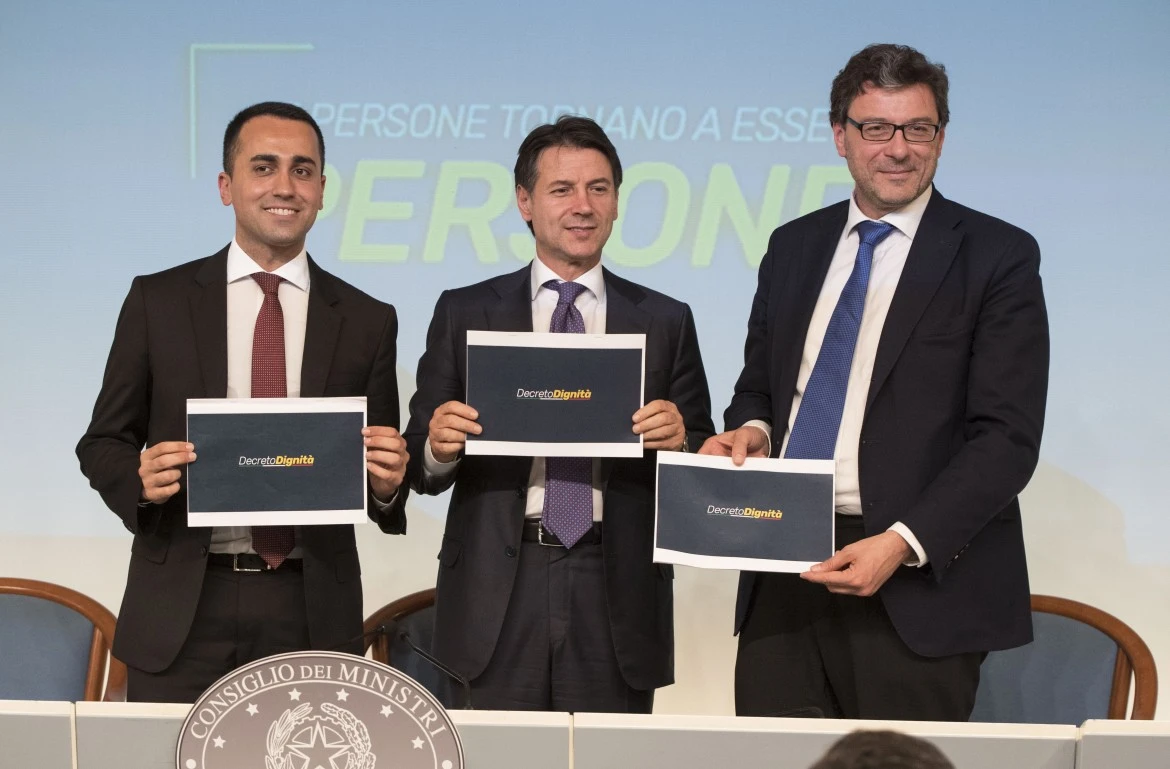
Decree-Law no. 87 of 12 July 2018 introduced, in Article 9, an absolute ban on any form of advertising, including indirect advertising, relating to games or bets with cash winnings.
The ban would apply to every medium: television, radio, print, billboards. In short, no talking about betting. No exceptions.
Or at least, that is how it should be.
Even though it is the most restrictive gambling legislation in Europe, it is now widely circumvented.
As the saying goes: every law comes with its loophole.
Because the problem the law set out to solve (the proliferation of gambling advertising) still exists; almost entirely intact, in fact. It is just better hidden now.
In this article we retrace the history of these workarounds. And how the Decreto Dignità has become, over time, a law enforced against those who fail to hide and ignored by those who learn how.
Where there’s a law, there’s a loophole
The legislation is built around the concept of indirect advertising. That wording alone has spawned endless disputes over interpretation. In 2019 AGCOM published guidelines clarifying the underlying logic: if the message aims to persuade or invite someone to bet, it is illegal. If it serves to inform, neutrally, those already looking for that information, it falls within the permitted exceptions.
The line between information and solicitation, then, is the deciding factor.
The fact is that in our country we are remarkably good at getting around legal wording of this kind. Several methods emerged: the first appeared almost at the same time as the law itself.
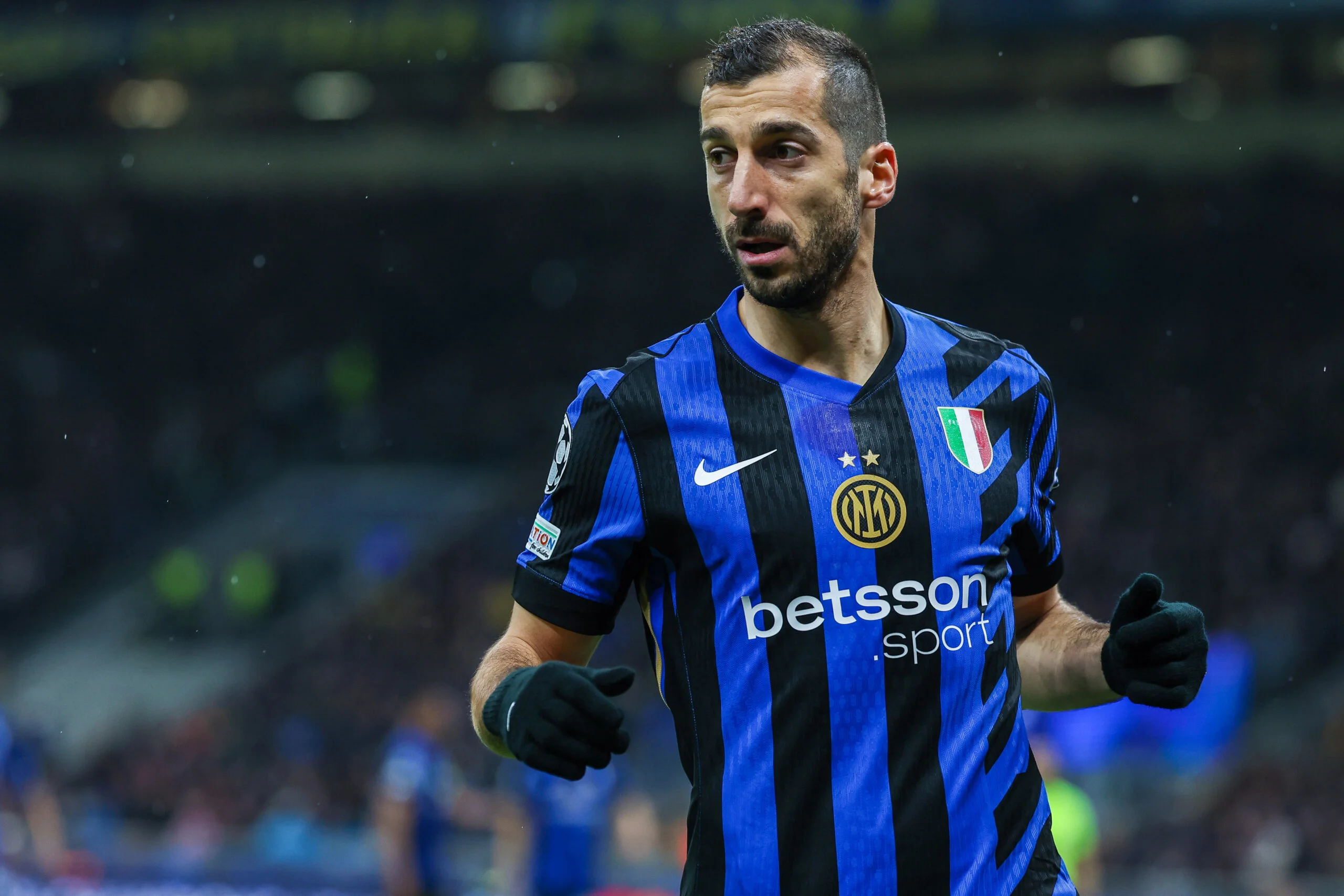
It was 2018 when Italian bookmakers began creating “sports news” sites. Registered news outlets, perhaps, or news portals. So pitch-side boards no longer showed the brand’s name but the name of the “news” site it owned. The link to the bookmaker is evident in the URL, but technically it is sports journalism. And therefore permitted.
Serie B matches were broadcast with pitch-side boards displaying starcasino.sport. On TV (then as now) Starvegas.news ads promote the news portal, not the betting site. And so the advertising carried on, regardless of the law.
The second method was perhaps more technical. On sports pay-TV channels, between the first and second halves, interludes soon began to air comparing the odds offered by different betting sites. Formally, information. A service for those weighing up a bet. Yet the bookmaker’s logo was there. And the message was unmistakable.
Sports Minister Andrea Abodi said so explicitly in December 2022, in an interview with Corriere della Sera:
It was the sitting government minister describing his own law as being circumvented. A surrender broadcast to the world.
Creators, foreign companies and the chain of liability
The third method is the most sophisticated, and also the one that has led to the most significant penalties.
The structure worked like this. An Italian online gambling operator did not pay creators directly. It turned to a foreign intermediary company, typically based in the United Kingdom. That company signed the contracts with Italian creators. The creator published the material. The bookmaker collected the new sign-ups tracked through affiliate links. The commission was calculated on the new players’ deposits and bets. The licensee Vincitù used exactly this structure, with Top Ads Ltd as intermediary and the creator Spike Slot as executor. The Guardia di Finanza reconstructed the contractual chain. The Lazio Regional Administrative Court upheld the penalty: 388,453 euros.
The logic was: if the Italian bookmaker has no direct contract with the Italian creator, where is the violation? AGCOM replied that the violation lies everywhere in the chain: the client, the platform hosting the material and the creator spreading it are all liable for the same unlawful conduct, each for its own share.
Naturally, the platforms were not exempt either. Meta received a record fine of 5.85 million euros. Google Ireland, Twitter International and Twitch were all fined. The Lazio Regional Administrative Court later reduced Twitch’s fine and overturned YouTube’s, but upheld the others.
How to comply with the law (and why you should)
Operators that chose to comply with the law, rather than circumvent it, have had to build their brand identity with just three tools.
The first is verifiable technical presence. Odds comparison sites, sports betting guides, bonus documentation: anything that informs without soliciting builds visibility in the active-search market. It is a low-efficiency tool but carries a low risk of sanctions, because it adheres to the informational logic set out in the AGCOM guidelines.
The second is responsible gambling communication. Companies that have invested in addiction prevention and risk education have built a form of presence that the law encourages.
The third is the internal governance of identity. Consistency across platform design, the tone of communications to registered users and the architecture of the browsing experience: everything that happens within the permitted space builds or erodes the brand’s perceived solidity. In the absence of external advertising, this is the only surface on which the brand takes shape.
Media presence was the easiest asset to manage. Identity governance is the hardest. The Dignity Decree made the first impossible and the second indispensable. And those who tried to do both through foreign intermediaries discovered that the chain closed in on them all the same.

The state of play: July 2026
The ban is still fully in force. Last year the Senate approved a resolution committing the government to amend it: but to date, no legislative measure has yet been produced.
The result, seven years after the Dignity Decree, is a market in which the law has eliminated direct advertising, spawned an industry of circumvention, and penalised those operating in the legal market while doing nothing against illegal operators.
An organisation operating in a sector regulated with this level of inconsistency builds its brand strategy on the rules that exist, not on the ones it would like. And it knows that the only real form of protection, one that does not depend on intermediaries or interpretations, is the internal consistency of every touchpoint the rules leave available.
New Connections (FAQ)
Does a creator paid by a foreign agency to promote an Italian bookmaker really face a personal penalty?
Yes, and that is exactly what happened in July 2024. AGCOM imposed fines directly on 21 individuals, totalling around 2 million euros. A contractual structure involving foreign intermediaries is no defence: liability applies to every link in the chain, client, platform and creator, each for its own share. The two creators fined in 2022 and 2024 saw their penalties upheld by the Lazio Regional Administrative Court in October 2024.
Is a “sports news” site linked to a bookmaker really legal?
The grey area is real, but it has narrowed over time. AGCOM case law increasingly looks at a site’s actual function, not the formal category under which it is registered. If the sports news site has a URL traceable to the bookmaker, if the copy refers to odds or bonuses, if the links lead to the gaming platform, classifying it as “information” becomes hard to defend in proceedings. Documented cases show that AGCOM also checks the search engine preview, which often gives the link away.
If the Council of State obtains a favourable ruling from the EU Court of Justice, does the ban automatically disappear?
Not automatically. An EU Court of Justice ruling declaring the ban incompatible with the 2015 services directive would allow Italian administrative courts to disapply the rule in pending proceedings. But it does not repeal the law. Action by the Italian legislature would be needed to amend Article 9 of the Decreto Dignità. In 2025 the Senate approved a resolution committing the government to this course, but the timing remains undefined. In the meantime, every operator builds on the law currently in force.