



Even friendship is now for sale.
So says Weber Shandwick’s 2026 cultural trends report, which calls this phenomenon: Friends for Sale.
In an economy where even connection has a business model, friendship apps have raised $16 million this year alone. And that’s not all! Members’ clubs and paid singles events are back.
When a fundamental human need becomes a business model, the market splits between those who find value and those who feel exploited.
All that remains is to choose which side to be on.
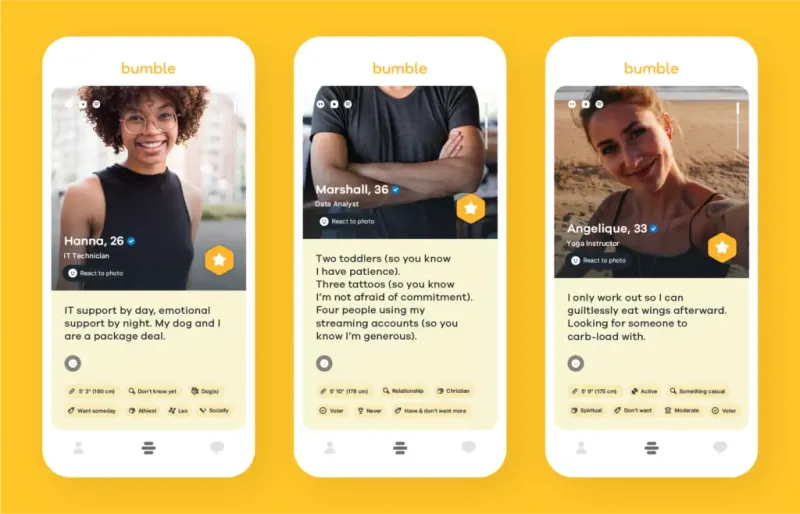
For: the value of friendship apps
Many people, particularly after thirty, have lost the natural mechanisms through which friendships used to form: school, university, office work. The market responding to this gap offers structure, settings and less initial friction. Someone who has found friends through a friendship app has not had a less authentic experience simply because of that. They have simply used a tool to start something real.
Against: the horror of friendship for sale
Paying for access to human connection is a disturbing prospect.
The subscription model applied to friendship turns a need into a commercial dependency: if you don’t renew your subscription, you lose access to the community. Whoever profits from all this is profiteering from human misfortune.

A middle ground
It is worth finding common ground between these two positions. The distinction to draw is not between those who charge and those who do not, but between those who use price to filter and select an authentic community and those who use it to maximise the user’s dependence on the product.
Quality members’ clubs use price as a selection mechanism: someone paying 300 euros a year to join a community of professionals is buying access to people with a similar level of investment in the collective project. An app that charges you for every conversation is monetising loneliness without solving anything.
So neither the tool nor the market is inherently positive or negative. As always, it depends on how you use it and how you approach it.
How brands in this space communicate
Any brand operating in the connection economy faces a positioning choice.
The version that fuels the backlash talks about connection as if it were a technical problem to be solved with the right product. It creates urgency through loneliness. It promises rapid transformations in a domain where rapid transformations do not exist.
The version that builds trust acknowledges the limits of its own tool. It says what it can and cannot do. It treats users as adults looking for opportunities, not as vulnerable subjects to be converted into subscribers. A brand that enters the connection economy without understanding the tension it creates is a brand that has not understood its own market.
A governance mistake to be avoided at all costs.
And which side are you on?
New Connections (FAQ)
Is paying to make friends really any different from paying for a dating app?
Paid dating has normalised the idea that price filters the quality of encounters. Friendship apps apply the same logic in a domain with lower expectations of quick results and higher expectations of authenticity. The backlash against these apps is partly stronger precisely because friendship is perceived as something that should have no price, whereas dating has already been absorbed as a market. The tension is not logical: it is cultural. Brands in this space must manage higher expectations of authenticity than dating apps have to.
Are members’ clubs really different from friendship apps, or are they the same thing for a wealthier audience?
Structurally similar, culturally different. Members’ clubs sell access to a physical place and to a community defined by shared interests, with a history of repeated interactions that apps cannot replicate. The high price acts as genuine selection: anyone paying thousands of euros a year for a club expects an experience that justifies that price over time. Low-cost apps have extremely low exit thresholds, which reduces both sides’ investment in the relationship. The economic model produces communities with different levels of cohesion.
Is the loneliness epidemic really a market opportunity, or is monetising it ethically problematic?
The two are not mutually exclusive. The loneliness economy exists and responds to a real need. The ethical question concerns the specific model: a product that helps people build real relationships and then makes those relationships independent of the product is ethically different from a product that maximises user dependence to increase the retention rate. The same distinction applies to any product that responds to a vulnerable need: medicines, mental health services, financial products. The market can respond to fundamental human needs responsibly or extractively. Brand governance determines which path is taken.
BLISS®
© 2026. ALL RIGHTS RESERVED